


SUNDAY, FEB. 23 UNDER THE BANNER OF VINTAGE CARS WITH CAVEM
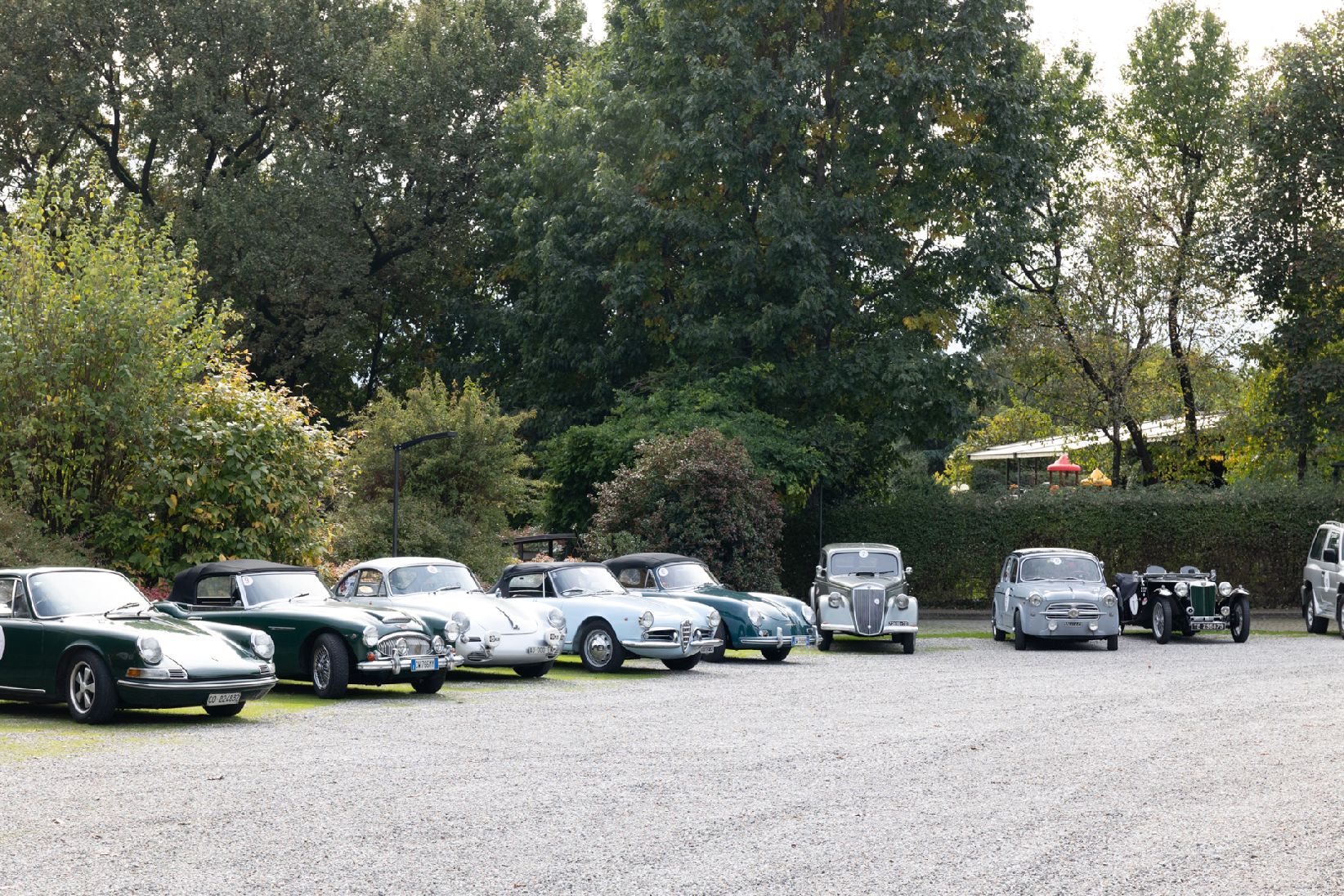
On Sunday, February 23, the Autodromo Nazionale Monza will host 170 historic cars on a day organized by Cavem, the Circolo Ambrosiano Veicoli d'Epoca: the appointment is at 10:30 a.m. The 315 participants will have the opportunity to take a tour to visit the most exclusive rooms of the Monza track, such as the Hospitality Rooms, the Storytelling track, the Press Room, the Briefing Room, and climb on the iconic Podium of the Monza track, and then, from 12 noon, everyone on the track for an evocative parade to be followed by lunch. During the day there will also be a Solidarity Challenge Awards Ceremony.
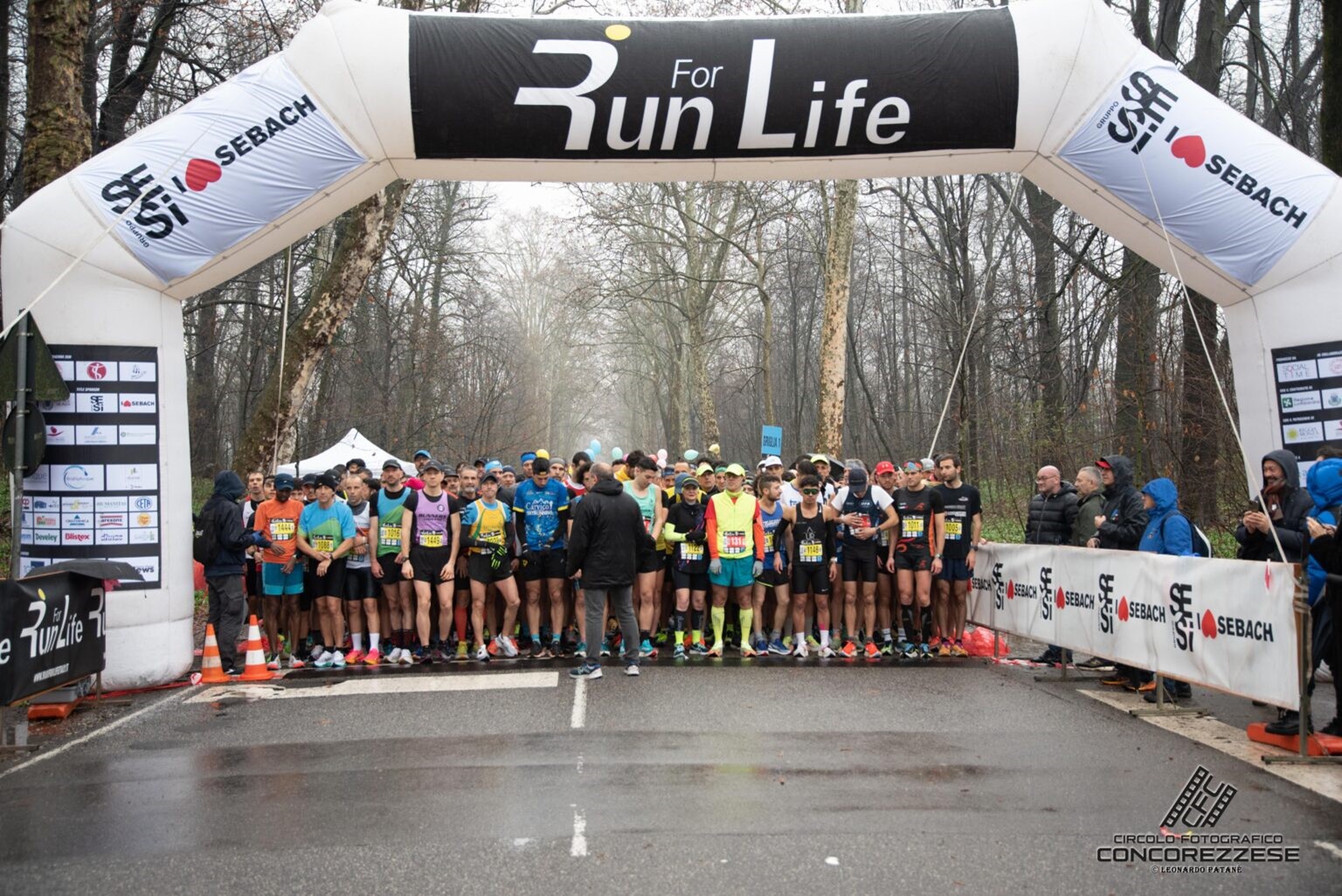
RUN FOR LIFE: PRESS CONFERENCE ON FEBRUARY 24TH AT THE AUTODROMO
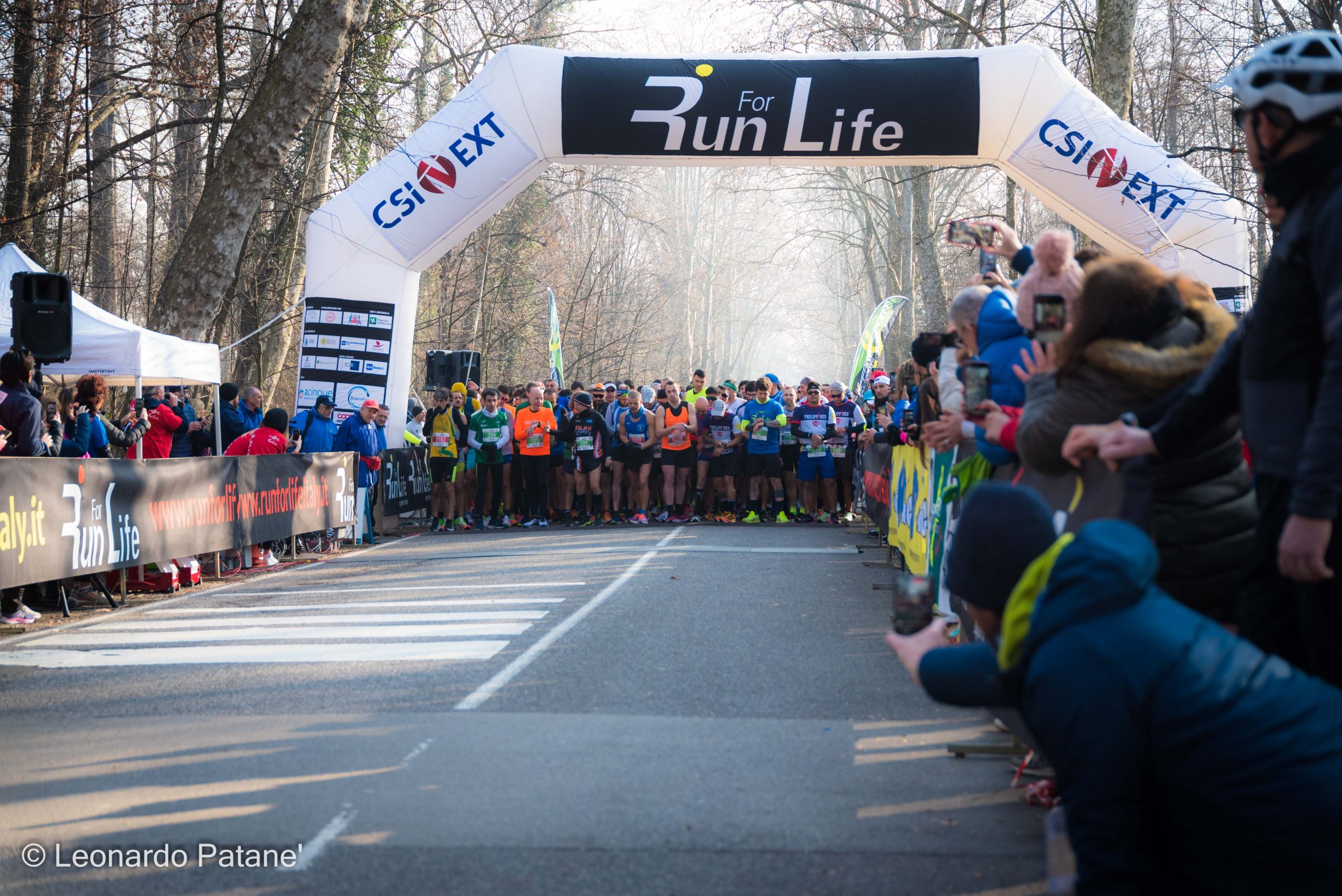
The first event of the 2025 calendar at the Autodromo Nazionale Monza will be the Run For Life race: the event is scheduled for Sunday, March 9th. Now in its tenth edition, this event will, for the first time, start from the Temple of Speed. There will be two competitive distances (21 km and 10 km) included in the Fidal national calendar and the Global Calendar of World Athletics, with an officially measured course. Additionally, there will be two non-competitive distances (10 km and 5 km), and a new distance this year: the 21 km Turistic-Sportive race aimed at foreign participants.
The sports event is organized by Socialtime odv, in collaboration with I Gamber de Cuncuress and the Silvia Tremolada Association, as part of the week dedicated to women, to promote gender equality and mutual respect as necessary conditions for civil coexistence.
To present the event, a press conference will be held on Monday, February 24th at 11:00 AM at the Photographers' Hall, in Paddock 1 of the Autodromo Nazionale Monza. The conference will present the routes, pacers, official t-shirt, the charity project, and much more!
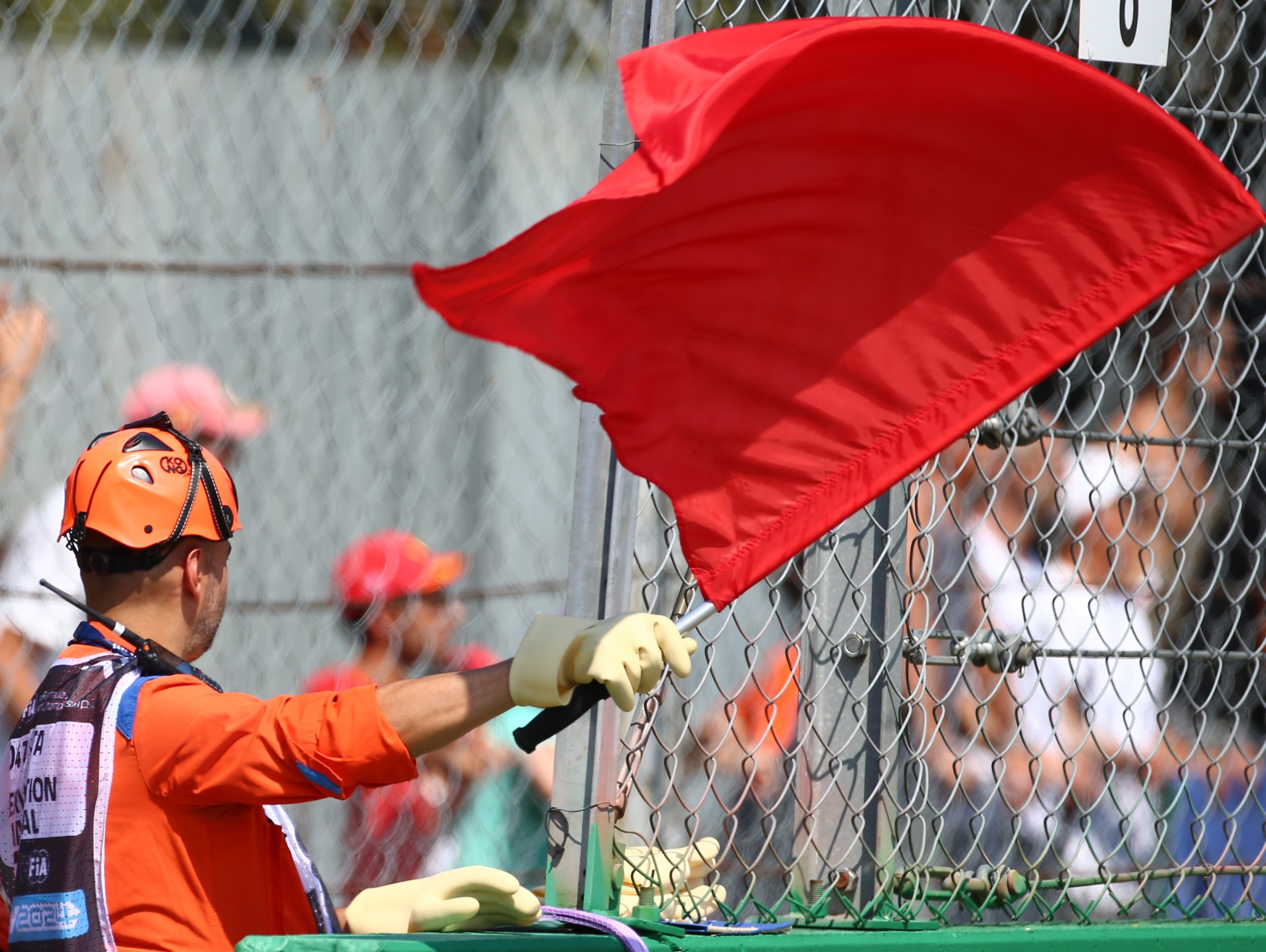
UPDATE COURSE FOR MARSHALS WILL BE HELD ON FEBRUARY 22
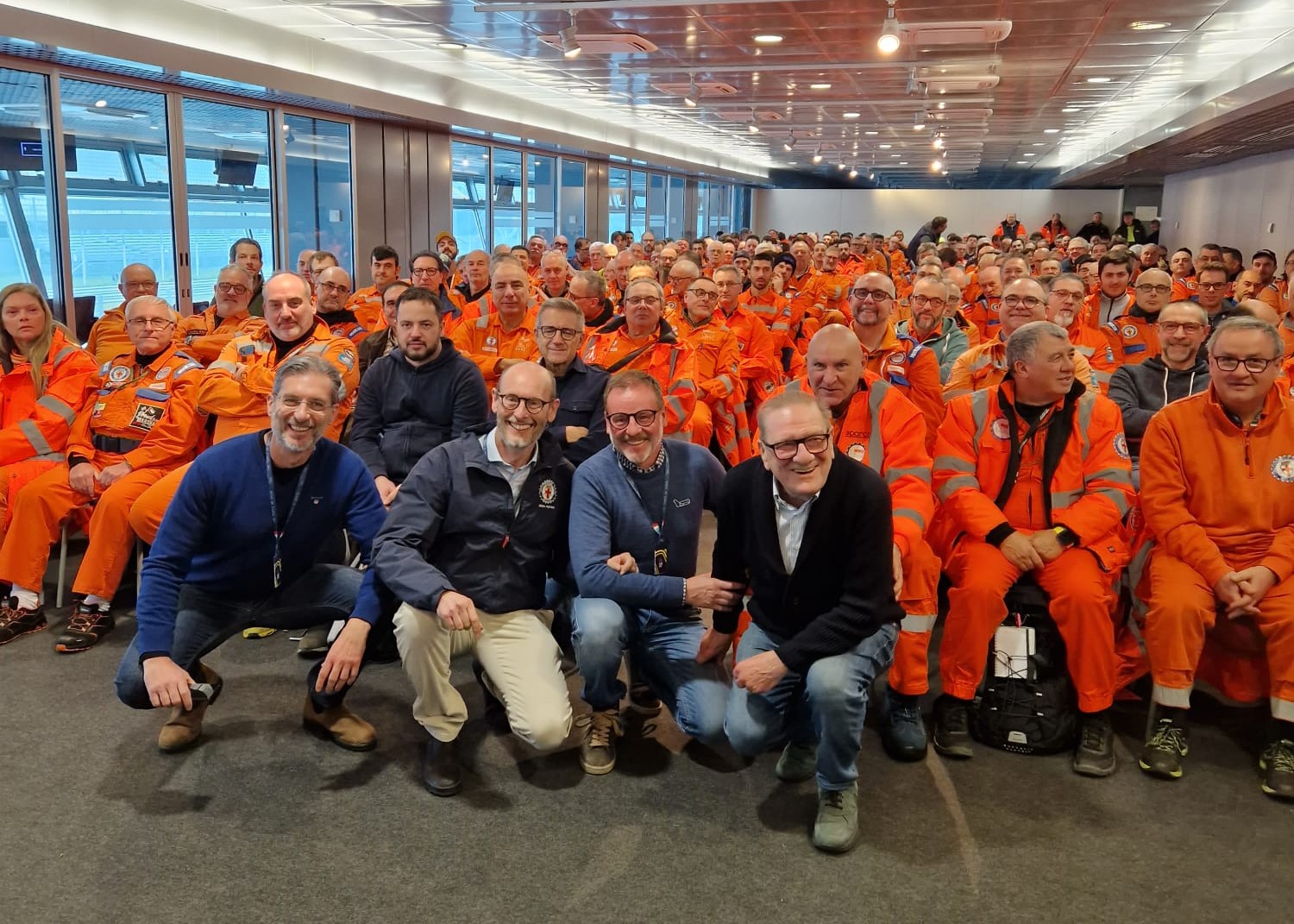
Automobile Club Milano, Autodromo Nazionale Monza, and Specialist Motorsport Academy, ACI's training school, are organizing a training day dedicated to Track Marshals on Saturday, February 22. The event will consist of two parts: theory and practical track exercises.
The theoretical part will mainly cover topics related to Legislative Decree No. 81 of 2008, which regulates health and safety in the workplace. Afterwards, the regulatory section will be presented by the Race Directors.
At 9:30 AM, Paolo Roggero, Director of AC Milano, will open the event. This will be followed by Alessandro Tibiletti, president of GuG, who is responsible for the training of race officials in the sports area. The theoretical sessions will be led by Davide Spinelli, Head of Prevention and Protection Service (RSPP) at AC Milano, and Rino Donghi, the appointed physician for Sias. Starting at 11:00 AM, the Race Directors, Renato Schmidt and Oscar Comi, along with the Safety Delegate, Umberto Andreoletti, Michele Taddei, and Luigi Felisa, RSPP for Sias/Autodromo Nazionale Monza, will take the floor.
In the afternoon, the group will move to the track for practical intervention exercises.
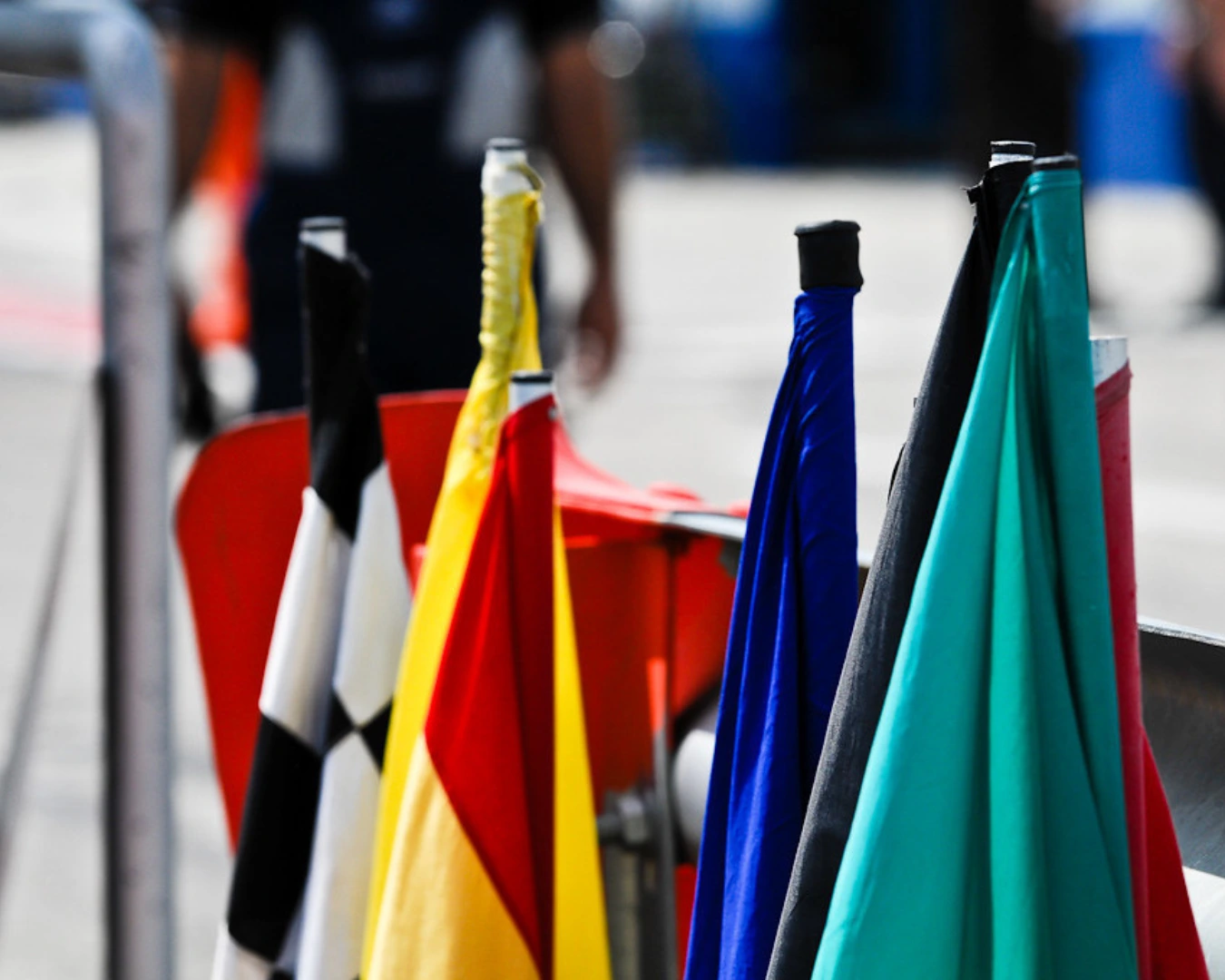
Formula 1 flags and lights: complete guide to the meanings on the track
Flags and lights are essential tools for communication during a Formula 1 race. Each signal has a specific meaning that drivers and teams must interpret carefully.
In every Formula 1 Grand Prix, flags and lights are crucial in communicating crucial information about the track to drivers around the world. Each signal indicates something specific-from the presence of hazards to changes in the weather. But how can we, as spectators, interpret these signals to better understand what is happening on the track? Here's a guide so you can fully enjoy every race.
Precision and adrenaline come together in regularity car racing
The Flags of Formula 1
Flags in Formula 1 are essential tools for sending clear and timely directions to drivers. With unique colors and symbols, each flag is easily distinguishable even at high speeds. The most important ones include:
Red Flag
The red flag signals thatthe race has been stopped, usually due to a serious accident or compromised safety conditions. All drivers must stop in the pits or along the track, and the race does not resume until all safety conditions are met.
Yellow Flag
The yellow flag is one of the most important signals on the track. It indicates a danger in sight (e.g., an accident or a stopped vehicle) and drivers should slow down and not overtake. The yellow flag can be displayed in two ways:
- Yellow wave flag: The driver should reduce speed, avoid overtaking and prepare for a possible change of direction.
- Static yellow flag: It is shown in case of static danger in a specific area of the runway.
- Double yellow flag: Indicates a serious hazard, such as an accident partially or completely obstructing the track or the presence of marshals working on the track.
Green Flag
The green flag indicates that the track is clear of obstacles or hazards. It is usually shown after a red flag (race stoppage) or after an obstacle has been removed. Drivers can resume their normal speed and pace.
Blue Flag
The blue flag is shown when a driver is about to be overtaken by another driver who is faster and ahead in the standings. This warning, shown in the lapped stages, serves to inform the driver that he or she must give way to the faster driver. It is not a hazard warning, but an indication to facilitate safe overtaking.
Checkered Flag
The checkered flag is the signal that the race has come to an end. It is waved on the last pass of the race leader to indicate that the race is over.
Black Flag with Orange Disk
When a driver receives a black flag with an orange disc, it means that his vehicle has a serious technical problem that could compromise safety, and he must immediately withdraw from the race for safety reasons.
White Flag
The white flag signals a slow vehicle on the track, such as a recovery car or another driver facing difficulty. Drivers should pay attention to the situation, but not slow down drastically.
Black Flag
The black flag indicates the immediate disqualification of a driver from the race. It is a maximum and severe penalty, used only in cases of serious infractions or behavior not in accordance with the sporting regulations. The flag is always accompanied by a sign with the number of the driver concerned.
Get on board and discover the pure adrenaline rush of the track
The Lights of Formula 1
Lights are another vital communication tool in Formula 1.
Green Light
The green light indicates thestart of the race. When the light goes out, the drivers can start. This occurs after a sequence of red lights come on and then go off to mark the start.
Red Light
The red light is turned on to mark thestart of the countdown before the start. When all the red lights are on, the drivers must stand still on the grid. Once the lights go out, the race begins.
Blue Lights (Flashing Blue Light)
This light signals that a driver is about to be lapped and must give way. It is a communication similar to the blue flag, but often used when there are multiple drivers who may be involved in simultaneous lapping situations.
Yellow Light (Flashing Yellow Light)
When the flashing yellow light is activated, it means there is a dangerous situation on the track, similar to the yellow flag. Drivers should reduce speed and not overtake.
Red Light (Steady Red Light)
In the event of a race stoppage, a steady red light is illuminated. This warning serves the same purpose as the red flag and indicates that the race has been suspended.
On-track communication is one of the keys to success in Formula 1, and flags and lights are at the heart of this system.
What to give to a car enthusiast?
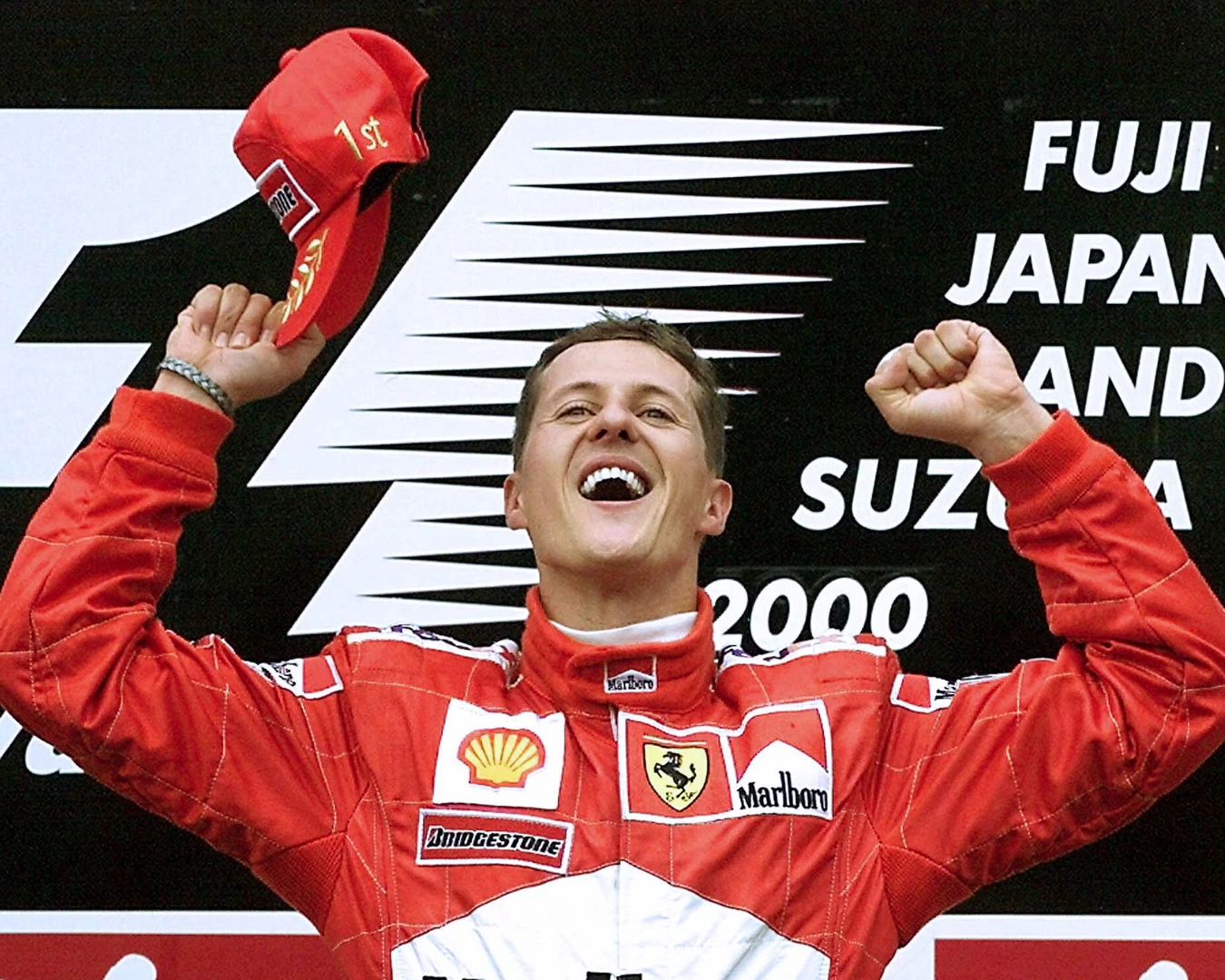
Michael Schumacher: the legend of Formula 1
With 7 world titles and 91 victories, Michael Schumacher is one of Formula 1's greatest icons. His extraordinary career has left its mark, with Monza often featuring the "Kaiser" in unforgettable feats.
Michael Schumacher is a name that resonates as synonymous with excellence in motorsport. With his incredible determination, his ability to adapt to technological changes and his unwavering commitment to improvement, Schumacher revolutionized the concept of a driver. The Monza circuit, the "home" of Ferrari, was one of the tracks where the German experienced some of his most memorable victories, further enhancing his status as an absolute icon of Formula 1.
The beginning of an extraordinary career
Michael Schumacher is considered one of the greatest drivers of all time. Born in Hürth, Germany, on January 3, 1969, he showed extraordinary talent for motorsport from an early age. His passion for speed began at age 4 on karts, a training ground that allowed him to hone his skills and catch the attention of international talent scouts. Making his Formula 1 debut in 1991 with the Jordan team, it did not take long for Schumacher to prove his worth.
Successes with Benetton and rise to Ferrari.
After his debut, Schumacher joined the Benetton team, where he won his first two world championships in 1994 and 1995. With these victories, the German driver established himself as a dominant force in the world of Formula 1. However, it was the move to Ferrari in 1996 that turned him into a legend. With the Maranello-based stable, Schumacher not only won five consecutive titles from 2000 to 2004, but brought the Prancing Horse back to the top of motorsport after 21 years. His dedication and ability to build a winning team around himself were crucial to Ferrari's successes.
The special bond between Schumacher and the Temple of Speed.
Monza has always held a special place in Schumacher's heart. With five victories at this iconic circuit, the German solidified his relationship with Italian fans, earning him the nickname Kaiser. His last victory at Monza in 2006, followed by the announcement of his first retirement, remains one of the most emotional moments in Formula 1 history.
Drive toward your dream to become a sports car driver
Technology and the cars that made history
One of the defining aspects of Schumacher's career has been his relationship with the technology of Formula 1 cars. Throughout his career, the cars he has raced in have been the protagonists of continuous evolution, and Schumacher has been a key element in this development.
In 1994, with the Benetton B194, the German won his first world title, a car distinguished by its refined aerodynamics and Ford V8 engine. However, it was with the Ferrari F2002 that Schumacher reached one of his technical heights, thanks to its extremely rigid chassis and V10 engine that allowed him to dominate the 2002 season. In particular, the F2004 is considered one of the highest-performance cars ever built, as well as the most successful car produced by the Maranello-based team. With a Ferrari 053 V10 engine that generated about 900 horsepower, combined with the electronic control system and active suspension control, the F2004 represented the pinnacle of technology at the time. This level of innovation allowed Schumacher to win 13 of the season's 18 races, cementing his reputation as one of the most accomplished drivers.
Michael Schumacher's legacy in motorsport
Schumacher's contribution to Formula 1 goes beyond his impressive records including seven world titles, 91 victories and 68 pole positions. He redefined the concept of the professional driver, raising the level of physical and mental preparation to new standards. His influence is still reflected today in his training methods and technical development of cars.
A key aspect of his career was his meticulous approach to physical and mental preparation. Schumacher was among the first to introduce rigorous physical training and continuous monitoring of drivers' psychological performance, helping to change the approach to a driver's preparation.
Despite his unfortunate absence from public scenes due to a skiing accident in 2013, Michael Schumacher remains a symbol of excellence and determination.
Behind the scenes of training an F1 driver
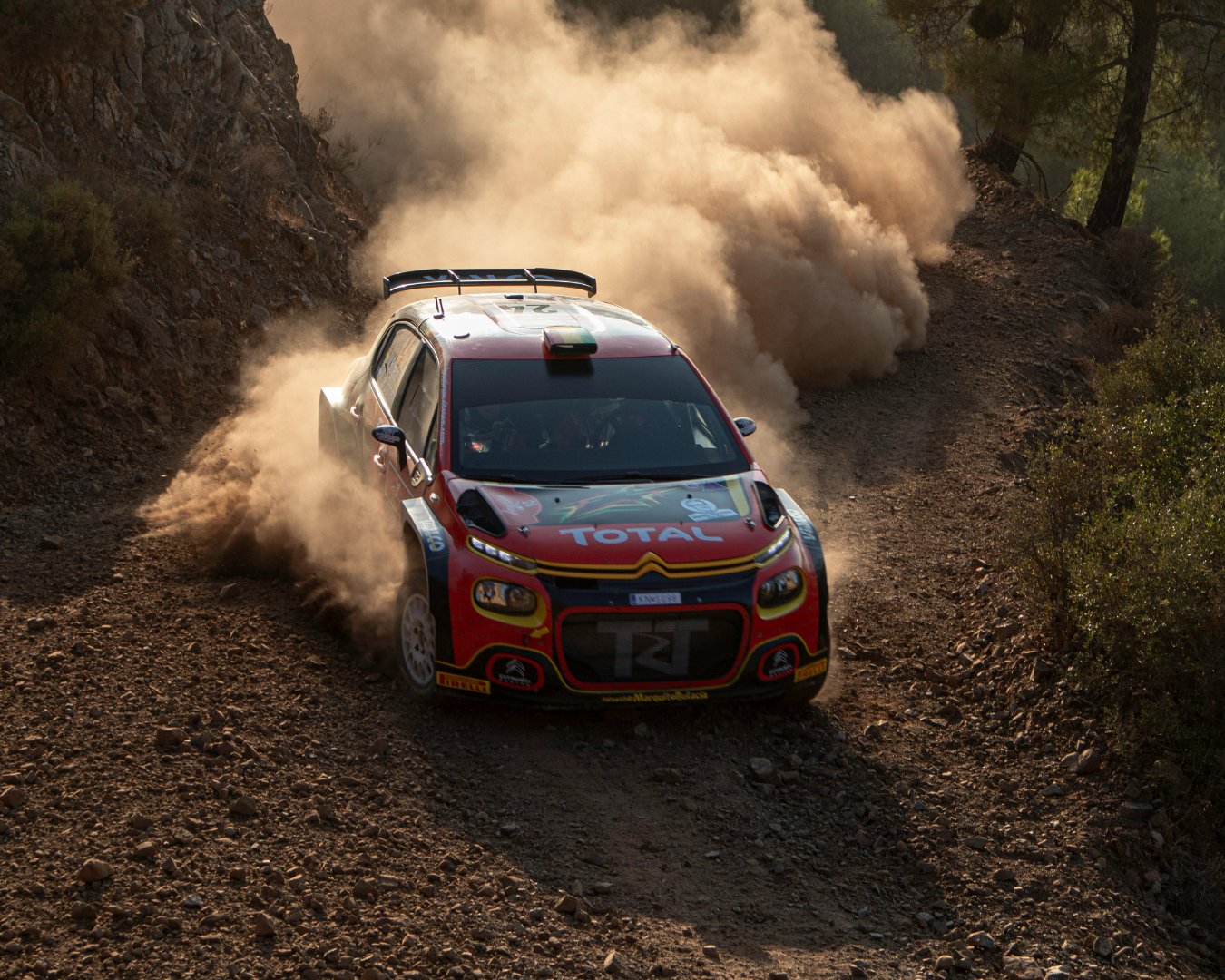
The problem of hybrid cars in Rallying: what went wrong in the WRC
Rally1 rally cars have been a great technological experiment, but their future, at least for the time being, is already sealed. Why has this innovation failed to establish itself in the WRC?
The introduction of hybrid cars in the World Rally Championship (WRC) in 2022 was hailed as a momentous breakthrough. At last, this category of motorsport was also marrying sustainability without sacrificing spectacularity. However, less than three years after its debut, the hybrid system is about to be shelved. Starting in 2025, Rally1s will revert to being cars with traditional thermal engines, marking the end of an interlude that has left more questions than answers. But what went wrong?
The promising start of hybrid rally cars
The Rally1 hybrids were equipped with a plug-in system capable of delivering a 100 kW (134 horsepower) boost through an electric motor powered by a 3.9 kWh battery. This system, combined with the classic 1.6-liter turbo gasoline engine, promised to combine power, speed and sustainability.
The hybrid has brought impressive performance, with the Rally1s proving to be among the fastest cars ever in the WRC. However, the increase in power meant a significant increase in development and operating costs. Here began the disillusionment.
Learn more about the world of rallying and its characteristics
Early problems between cost and technical complexity
One of the main obstacles was the budget required to develop and maintain the hybrid system. The technology, designed by supplier Compact Dynamics, was innovative but expensive. Its impact was felt mainly by private teams and those with limited resources, making the championship less affordable. In addition, system malfunctions were frequent: drivers often complained about the need to reset the system during races, a problem that undermined confidence in the hybrid.
Even major manufacturers, such as Toyota and Hyundai, struggled to balance costs. Citroën's untimely exit exacerbated the situation, leaving a vacuum that further complicated the championship's financial model. Although the FIA attempted to support the teams financially, the results were not enough to ensure the survival of the project.
Don't miss the big events in Monza: technology and speed await you
Why did hybrid rally cars fail?
The hybrid proved ill-suited to the unique context of rallying, where extreme conditions demanded simplicity and reliability. Although the system was capable of improving performance, its complexity often overshadowed the benefits. Managing the extra weight introduced by the battery and electric motor was a further disadvantage, negatively affecting the cars' agility.
Despite initial ambitions, electrification in rallying has shown its limitations. Unlike other motor sports such as Formula E, where electric is the absolute protagonist, rallying requires technologies that can cope with a variety of surfaces, weather conditions, and long distances without any margin for error.
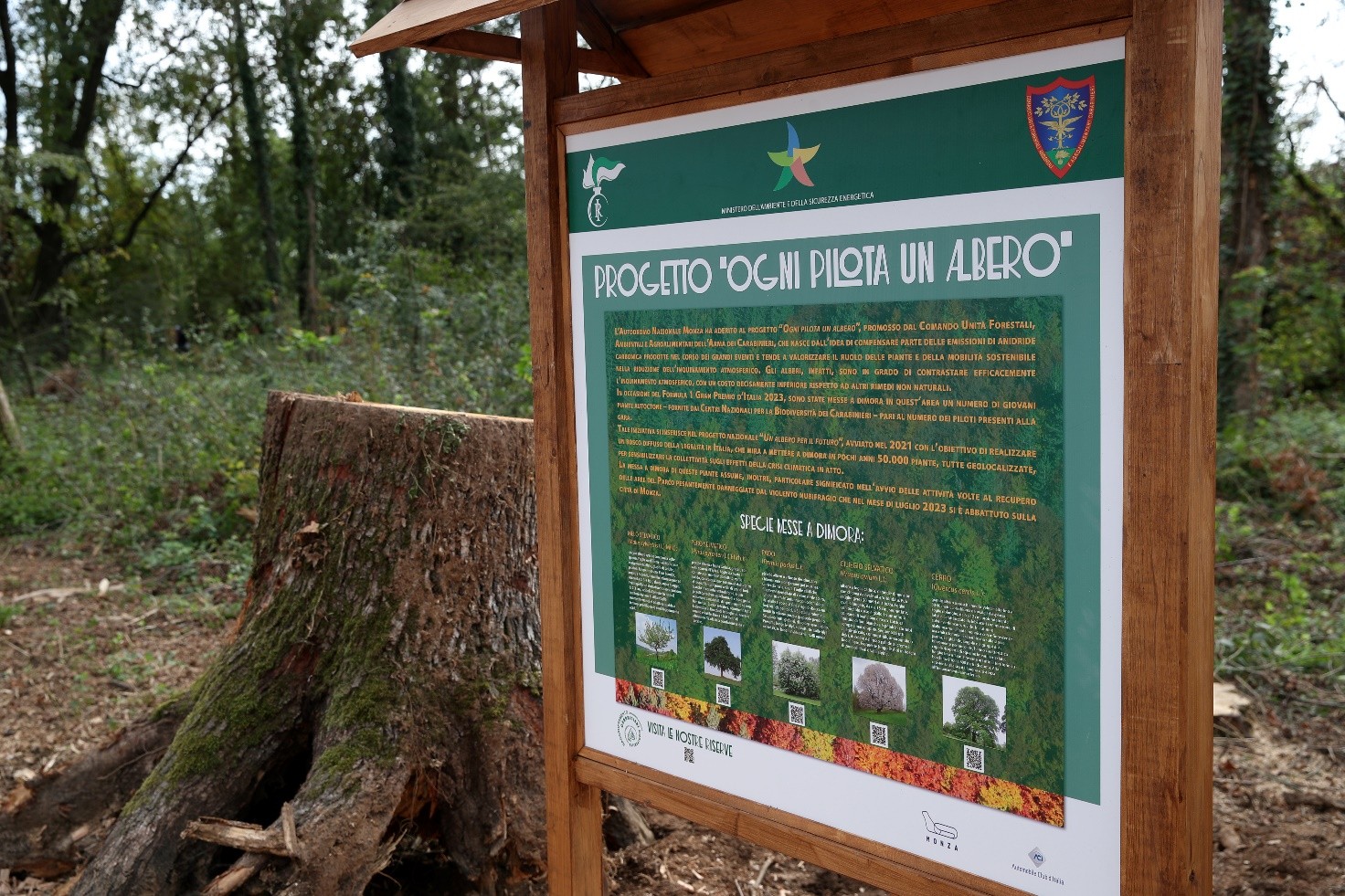
Explore the sustainable initiatives of the Monza National Autodrome
A glimpse into the future
From 2025, the WRC will return to exclusively thermal cars, but with some important changes. The cars will be lighter due to the removal of the hybrid system, with reduced power to ensure greater sustainability and affordability. In addition, the introduction of 100% sustainable fuels will maintain the championship's commitment to ecology, without the technical complications of electrification.
This transition represents a pragmatic choice. By eliminating the complexity of the hybrid, the WRC aims to reduce costs, simplify operations, and ensure fairer competition among teams. The challenge will be to maintain the spectacularity and audience appeal that are key to the success of the sport.
Lessons for motorsport
The experience of hybrid in the WRC teaches us that not all technological innovations are suitable for every context. Although electrification is a must for the automotive industry, motorsport requires tailored solutions that balance performance, sustainability, and economy.
With the transition to thermal cars from 2025 and further regulatory evolutions planned for 2026, the WRC is preparing to write a new chapter. Despite the abandonment of the hybrid, rallying remains a sport capable of adapting and innovating, preserving its spectacular essence and continuing to thrill fans around the world.
The technological future of the automotive industry
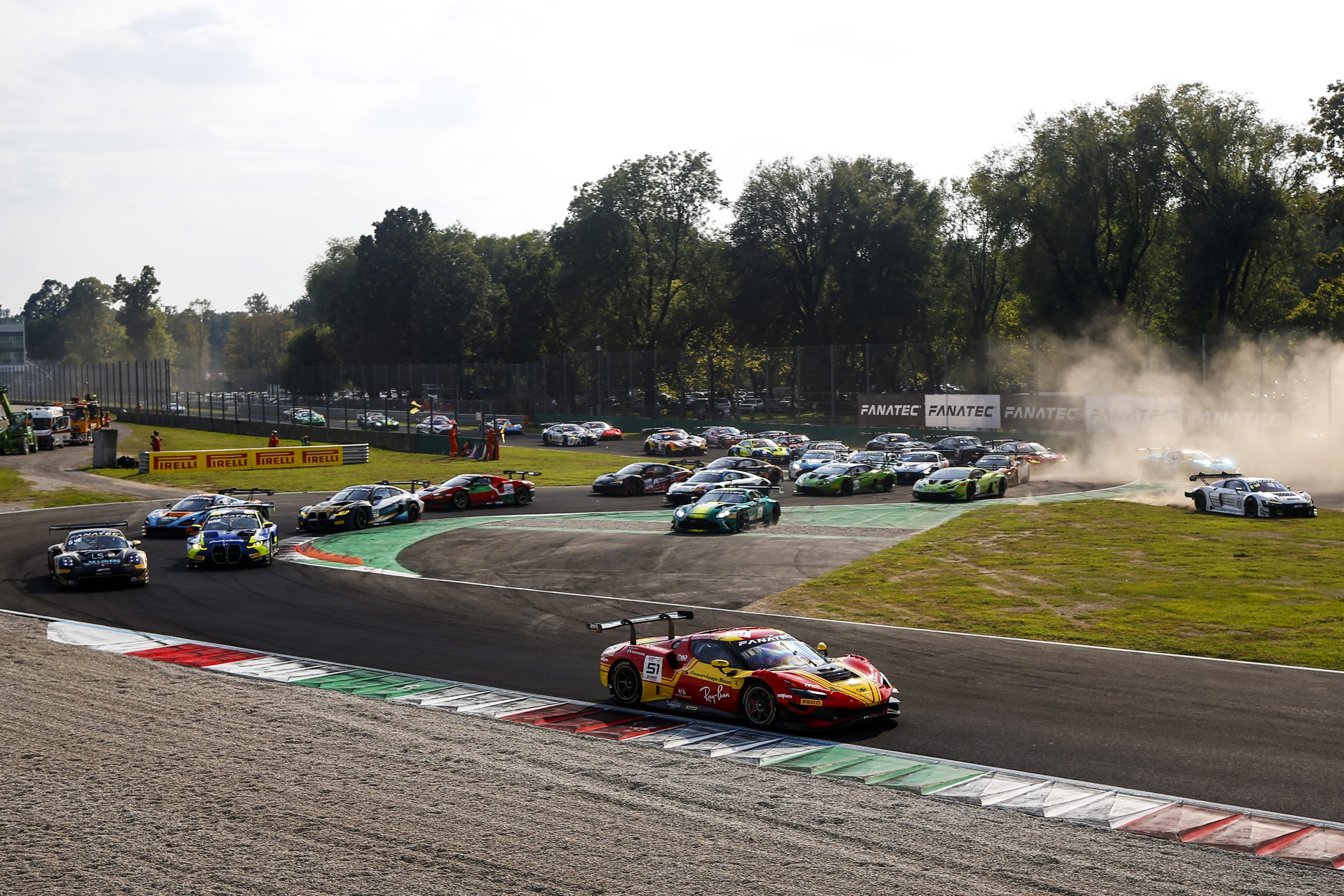
THE GT WORLD CHALLENGE EUROPE IS WAITING FOR YOU IN MONZA!
From May 30 to June 1, 2025, experience the adrenaline rush of the 3 Hours of GT World Challenge Europe powered by AWS at Autodromo Nazionale Monza. An unmissable event with legendary supercars and iconic drivers! On Friday, dedicated to free practice and support races, admission for the public will be free. On Saturday, the ticket will cost €20, on Sunday €25, and the weekendpass (Saturday and Sunday) will be on sale for €35.
Ticket purchase includes free access to the paddock Children up to 6 years old will be able to enter at no cost, while for children from 7 to 11 years old the ticket will cost €1. Admission will be free for people with disabilities and an accompanying person can enter at a cost of €1. A weekend of pure excitement awaits you in the Temple of Speed!