


"X-MAS GIFT" CAMPAIGN STARTS FOR F1 ITALY GP TICKETS
The Automobile Club of Italy launches the "X-Mas Gift" promotional campaign : from today, you can buy and put under the tree prestigious and exclusive gifts: tickets for the Formula 1 Pirelli Grand Prix of Italy 2026, scheduled for September 4-6, 2026 at theAutodromo Nazionale Monza.
A unique and electrifying experience: the thrills offered by drivers and single-seaters on the "Temple of Speed" track - the most epic, exciting and fast track in the World Championship - are combined with the opportunity to access the exclusive Fanzone, experience the entertainment activities as a protagonist and meet their favorite drivers up close.
Tickets are available at monzanet.com e ticketone.co.uk.
(ACI press release)
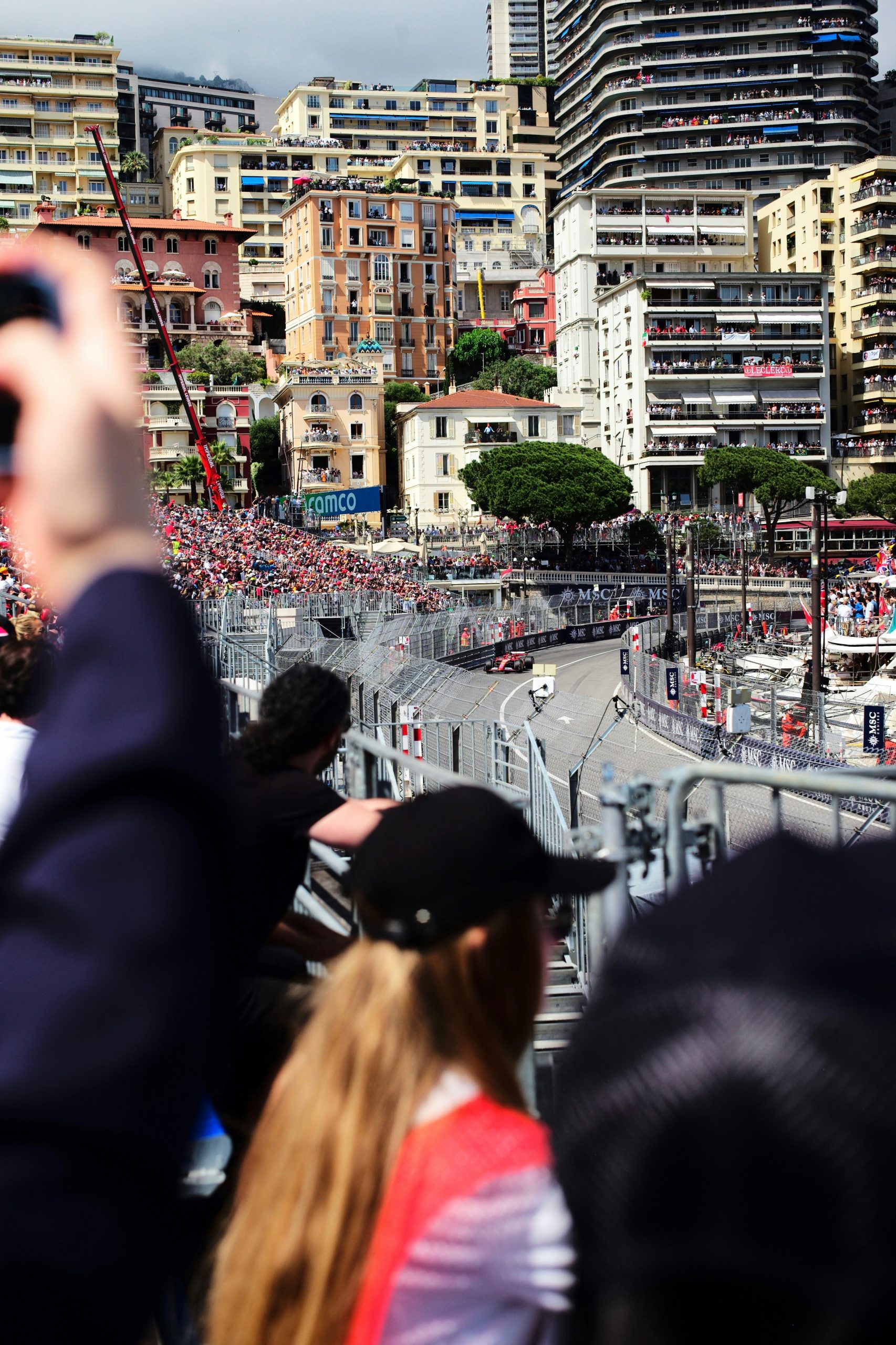
Formula 1's legendary curves: the icons that made history
Formula 1 is not only a sport of speed, cars and strategies, but also of curves that have become legendary for their difficulty, charm and impact on racing. Each circuit has its own special corners that challenge drivers and are remembered for the unforgettable events that took place there. In this article, we will explore some of the most iconic turns in Formula 1, which have written the history of the competition, becoming true symbols of this discipline.
Monza's Parabolica: the curve that sets fans on fire
Let's start with one of the most famous corners in the world: the Parabolica at the Monza Autodromo Nazionale. This right-hand corner is feared and respected by drivers from all over the world.
In 2021 it was officially named after Michele Alboreto, Italian driver and symbol of passion and talent. Despite the new name, for many it remains simply "the Parabolica": a term that evokes challenges to the limit, pure speed and over-the-top technique.
Its strategic position, close to the main straight, makes it as decisive in qualifying as in the race. It is here that the final attack is built, making the most of the slipstream and a good acceleration exit to try to overtake at the first chicane.
From a technical point of view, the Parabolica represents a demanding test bed. It needs a perfect balance of aerodynamic grip, traction and boldness. Those who enter too fast risk going wide and losing ground; those who are too cautious leave precious tenths on the stopwatch. It is a corner that rewards courage and precision, lap after lap.
Over the years, this stretch of track has provided unforgettable moments: overtaking on the limit, epic duels and scenes that have entered the history of the Italian Grand Prix. The grandstands surrounding it are among the most beloved by fans because they offer a spectacular close-up view of one of the most intense phases of the race.
So it is not just a section of the track: it is a piece of the heart of the Temple of Speed, a symbol that combines tradition, excitement and competition.
Eau Rouge-Raidillon: the adrenaline rush at Spa
In the heart of the Belgian Ardennes, the Spa-Francorchamps circuit is home to one of the most famous, spectacular and dangerous stretches in Formula 1: Eau Rouge-Raidillon. More than a corner, it is a true test of courage and talent, a stretch where speed merges with risk in a unique way.
The complex begins with a sudden descent to Eau Rouge, where the single-seaters hurtle at full aerodynamic load facing extreme compression. From there it's a breathless transition to the Raidillon, an extremely steep climb with a blind left turn that takes the drivers toward the Kemmel straight. The total elevation gain exceeds 30 meters in a few seconds, and the lateral load reached by the cars tests not only the vehicles but also the nerves of the drivers.
The difficulty lies not only in the speed, but in the fact that the Raidillon's rope point cannot be seen until the last moment. Those who get the trajectory wrong risk losing control or being unprepared for any unforeseen events.
This very stretch has seen some of the most intense and dramatic moments in Formula 1 history. From daring overtaking at the limits of physical laws to accidents that have sealed the fate of motorsport, Eau Rouge-Raidillon continues to be a crucial junction of the Belgian Grand Prix.
For many fans, this sequence is the pure symbol of Spa: unpredictable, fast, spectacular. And every time a single-seater disappears behind the crest of the Raidillon, fans' hearts stop for a moment. Because here, more than anywhere else, Formula 1 shows its boldest face.
The Seine S: the curve that embodies mastery
The Senna S, of the Interlagos circuit, is one of the most famous corners for its historic charm and intensity. Located immediately after the start straight, this sequence of left and right turns immediately tests drivers' acceleration and braking skills. The Senna S has been the scene of some of the most epic battles in F1 history, from the historic rivalries between Ayrton Senna and Alain Prost to the more recent clashes between Sebastian Vettel and Lewis Hamilton.
Its strategic location makes it crucial for a successful start and for setting the pace during the race, while the spectacular overtaking that took place there established it as one of the most exciting and decisive turns ever.
Maggots-Becketts-Chapel: Silverstone's high-speed dance.
Among the most exciting segments of the Formula 1 calendar, the Maggots-Becketts-Chapel complex of the Silverstone circuit is undoubtedly one of the most spectacular. This sequence of fast, flowing corners is an absolute test of the drivers' precision, responsiveness and courage. Tackled at over 280 km/h, this section requires perfect aerodynamic balance and extreme sensitivity in controlling the car: every movement must be synchronized to the millimeter.
The appeal lies in its speed and unpredictability: drivers change direction several times in a matter of seconds, with the cars staying glued to the asphalt thanks to extreme aerodynamic loads. This is where the true potential of a single-seater and the pure talent of the driver are measured, especially in qualifying, when they really push themselves to the limit.
The transition from Maggots to Becketts to the Chapel and Hangar straight is one of the most beloved sequences for drivers and fans alike, a symbol of Silverstone's historic beauty.
This complex is not just about lap time: it is a true high-speed dance, a trait that embodies the philosophy of Formula 1 in its purest essence: speed, technique and spectacle.
Beyond the Runway
The legendary curves of Formula 1, are more than just passing points: they are places where drivers write history, where the differences between a won and lost championship are made, where fans get excited and experience the race. Each corner represents a challenge, a victory, a dream come true. In every Grand Prix, when drivers take these corners, they do so with the knowledge that they are part of a legend: that of Formula 1.
ACI AND FREE EVENT HONORED FOR ITALY GP WITH BEST ENGAGEMENT CHALLENGE AT BEA AWARDS 2025
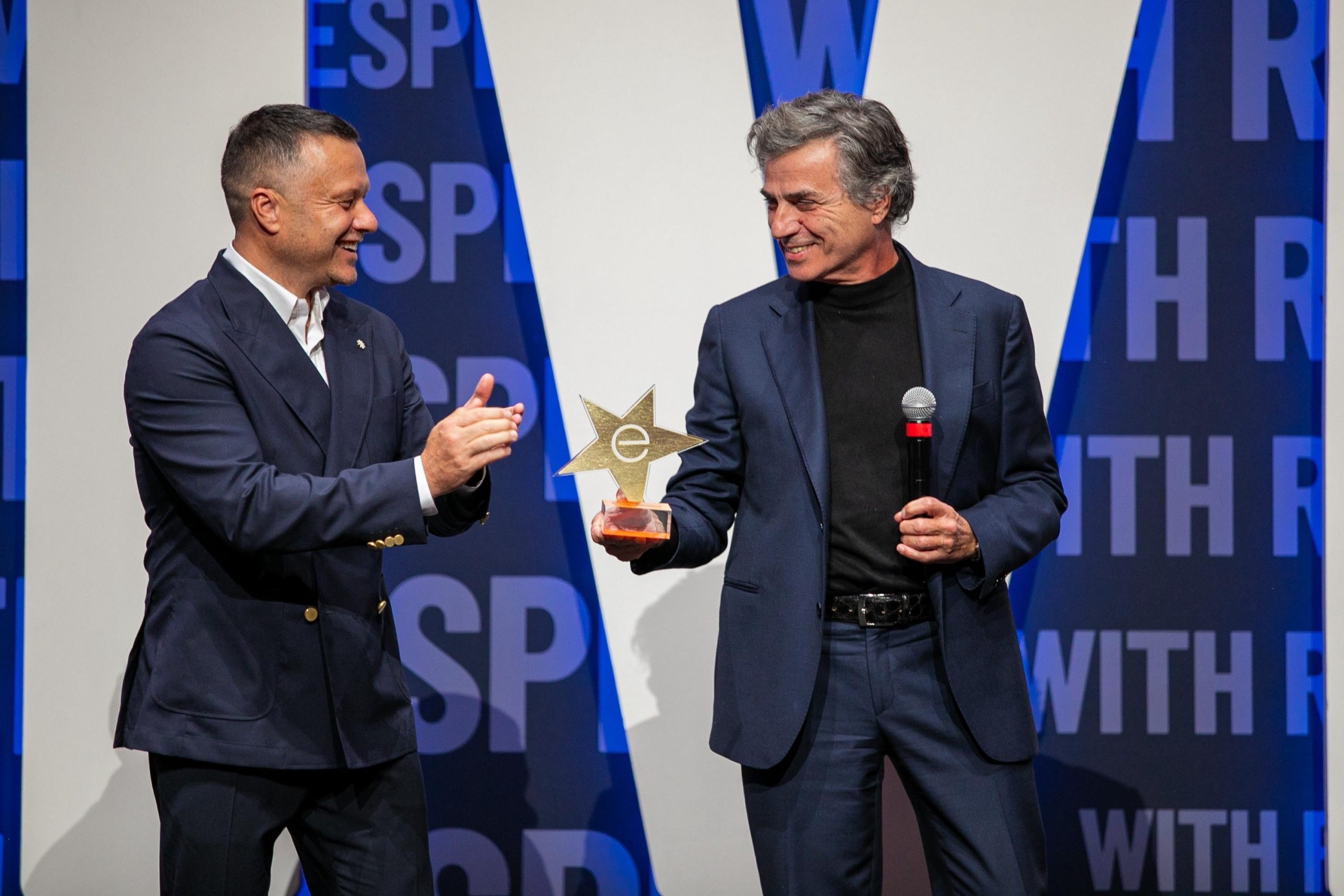
Rome, Nov. 21, 2025. Automobile Club d'Italia and FREE EVENT have been awarded the Best Engagement Challenge of the BEA Awards 2025, for the creative, organizational and strategic excellence of the project - developed in close synergy with theAutodromo Nazionale Monza team - dedicated to the Formula 1 Pirelli Italian Grand Prix 2025.
The prestigious award - given by the publisher of ADC Group - was collected by Andrea Camporesi - Creative Director and CEO of FREE EVENT - and Vincenzo Lamaro, Senior Advisor F1 & Sport Relationship of ACI Sport S.p.A.
"This recognition," said ACI Extraordinary Subcommissioner Giovanni Battista Tombolato. is a source of deep pride for the entire Automobile Club of Italy." "I would like to sincerely thank - Tombolato added - the entire ACI team, the extraordinary staff of Autodromo Nazionale Monza and the professionals of Free Event for their commitment, dedication and passion with which they contributed to the success of the Italian Grand Prix 2025. The result achieved - concluded the ACI Extraordinary Subcommissioner - rewards a collective effort that made the race weekend unforgettable for tens of thousands of spectators and brought additional luster to our country and ACI. This award belongs to each of them."
The award highlights the extraordinary impact of the engagement activities designed for the Italian GP: initiatives capable not only of involving 370,000 spectators present at Monza, but also of reaching hundreds of millions of fans around the world. Results that confirm the role of ACI and Autodromo Nazionale Monza as absolute references in the panorama of the most important international sporting events.
Pictured above from left are Andrea Camporesi - Creative Director and CEO of FREE EVENT - and Vincenzo Lamaro, Senior Advisor F1 & Sport Relationship of ACI Sport S.p.A.
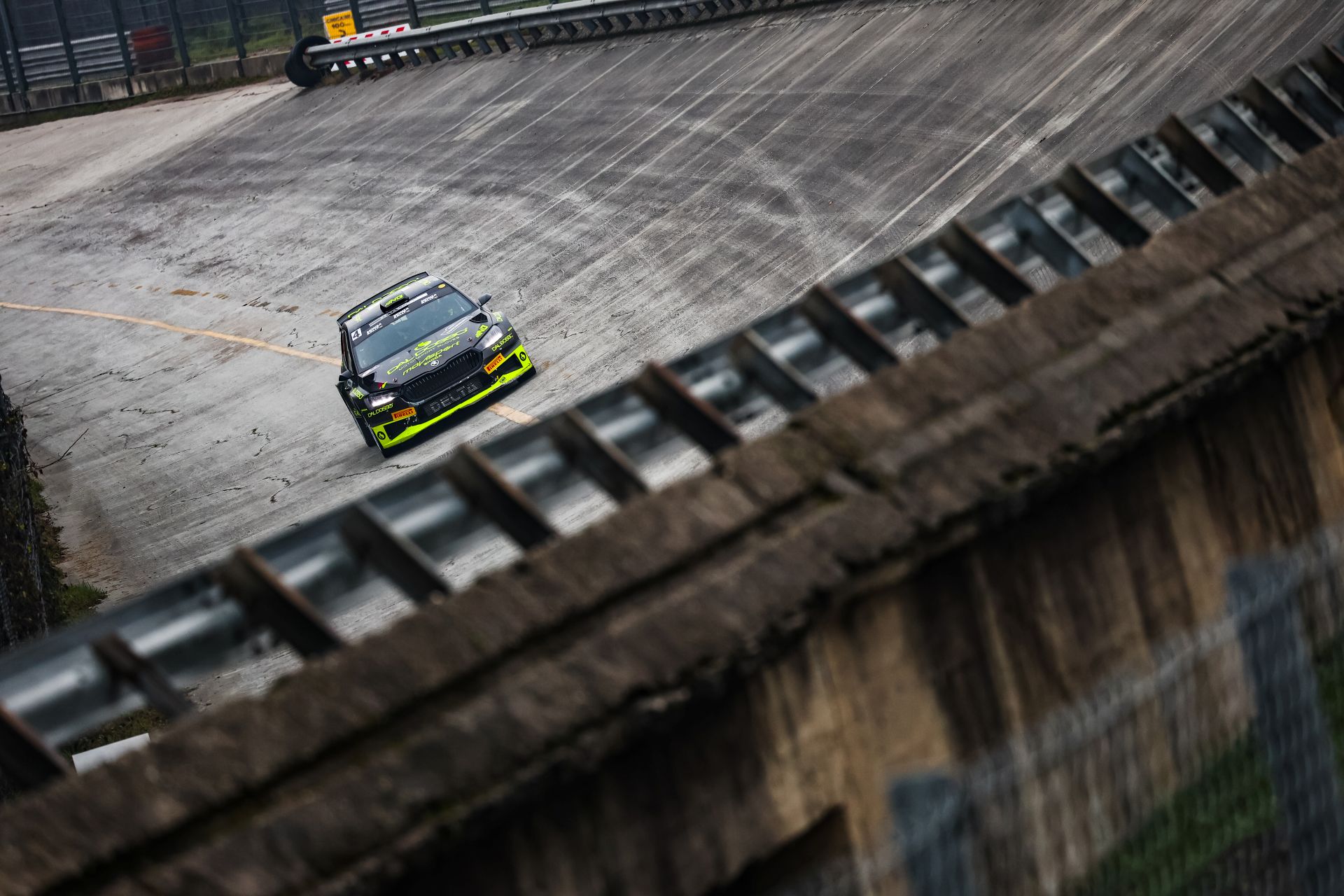
REIMBURSEMENT PROCEDURES ANNOUNCED FOR MONZA RALLY SHOW 2025
Autodromo Nazionale Monza announces the procedures for obtaining refunds of tickets or season tickets purchased for the Monza Rally Show 2025, originally scheduled for December 5-7, 2025 and later cancelled.
For those who purchased tickets or season tickets directly on the TicketOne online platform, the refund will be automatic without any application procedure. Refunds will start on Tuesday, November 18, 2025 , and the amount will be automatically credited to the payment method used at the time of purchase.
If, on the other hand, the tickets or subscriptions were purchased at a physical TicketOne outlet, you will have to follow the online refund request procedure, which will be available starting Tuesday, November 18, 2025 and closing Wednesday, December 10, 2025. The refund procedure is available at the following LINK, where one can follow all the instructions to complete the request .
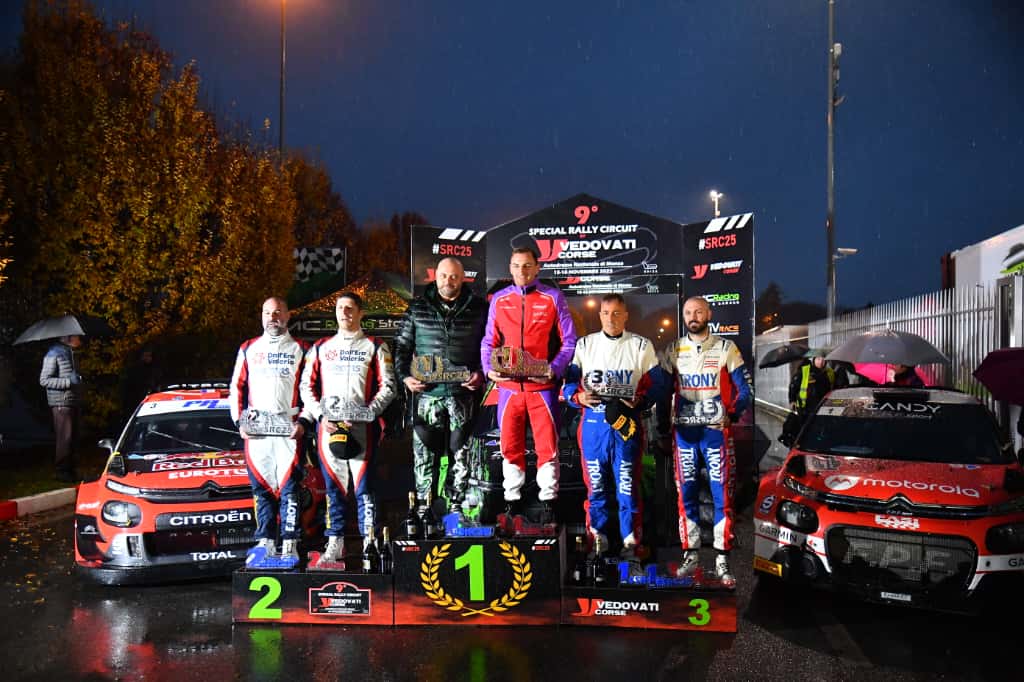
BRUSA-ZANAZIO GRANT ENCORE IN NINTH SPECIAL RALLY CIRCUIT BY VEDOVATI CORSE
Second consecutive victory for Cesare Brusa and Guido Zanazio (Citroen C3 Wrc+, Gino Motorsport) at the Special Rally Circuit by Vedovati Corse, which took place today at the Autodromo Nazionale Monza and is now in its ninth edition. The two, under an incessant downpour, conquered all four trials on the program. Brusa with this success became the most successful driver in this race: he now stands at three, counting also the 2017 victory.
Unlike a year ago, the driver, from Bergamo in Rovetta, who routinely competes with the Porsche 911 GT3 in the Michelin Cup, drove throughout the competition, leaving the note book to his friend from Gravellona Toce. "It was a difficult race because of the weather conditions, but I must admit to being comfortable in the rain," Brusa said.
Second were the Valsabbini Alberto Dall'Era and Daniel Zanelli, also at the wheel of a Citroen C3 Wrc+ Gino Motorsport. Podium in comeback for the four-time Italian champion Andrea Crugnola (first among Rally 2s with the Citroen C3, Easi) navigated by Stefano Tavernini who got the better of Como's Marco Butti and Andrea Botta, at the first time on a Toyota Yaris Gr (Step Five).
Fifth was Luciano "Linos" with Silvia Rocchi in a Skoda RS Bianchi Team. The driver from Brescia was also first among the Over 55s.
In group RC3N success for Riccardo Pederzani and Martina Omacini (Renault Clio, KZ Racing Team). RC4N was dominated by Giuseppe "Giò" Dipalma and Mirko Russo (GiakSportRent). Matteo Ferrarol and Francesca Belli, on the other hand, prevailed in RC5N on the Renault Clio of Ats Motorsport.
The award dedicated to Luciano Vedovati was presented to Marco Butti, first Under 25 at the finish.
Sara Micheletti, from Piateda in Valtellina with partner Simone Miele, won the women's race at the wheel of the Skoda RS DreamOne Racing.
First Under18 the Tuscan Lorenzo Lenzi paired with Alessio Natalini (Skoda Fabia Evo Pavel).
In the historicals success for the Lancia Delta Evoluzione prepared by Marcauto, of Giuseppe Collura and Federico Di Leo.
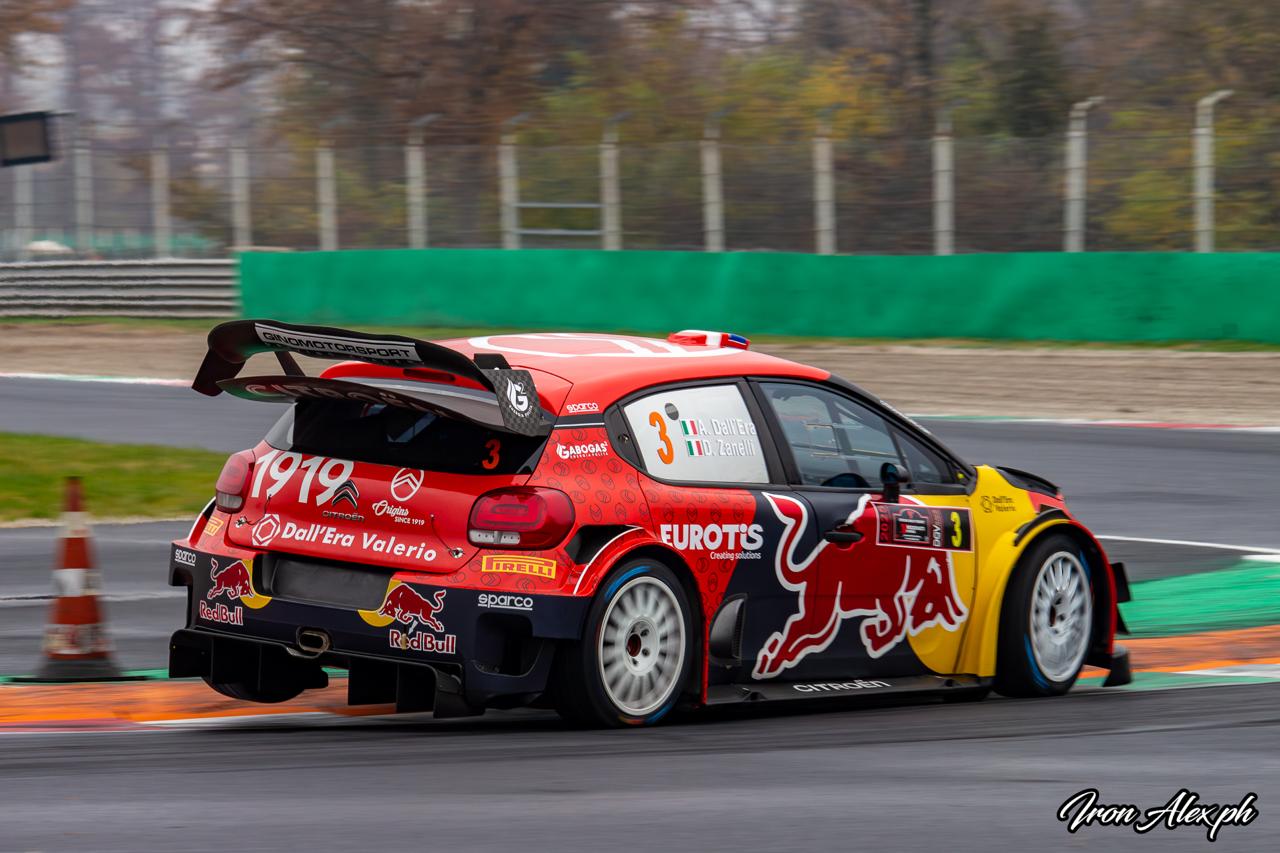
9TH SPECIAL RALLY CIRCUIT 2025 STARTED IN THE RAIN WITH 81 CARS AT THE START
A thin autumn drizzle accompanied by fog is providing the backdrop for the ninth Special Rally Circuit 2025 by Vedovati Corse, which got off to a regular start this morning from the platform located in the avenue between the two paddocks where the protagonists will return for the celebrations in mid-afternoon.
At the start, after technical and sporting scrutineering, 79 competitors for modern cars and 2 for historic cars. A car change is reported: Simone De Martini, flanked by former Italian champion Lucio Baggio, will use a Skoda Fabia instead of the announced Toyota Yaris Gr Rally2.
On Saturday between reconnaissance, free practice sessions and shakedowns the competitors began to taste the track, which since mid-afternoon started to get wet due to rain. The weather could blow the predictions out of the water: the powerful Wrc+ of Brusa-Zanazio, Mezzatesta-Vitali and Dall'Era Zanelli will have an even harder time against the multi-titled Andrea Crugnola, the tracky Marco Butti or the newly crowned Croatian rally champion Matteo Bernini, Linossi or Puricelli.
Free entrance, parking fee. After the first special, started at 8.38 a.m., the program includes three more specials: 2 - Special Vedovati (19.620 km) will start at 11.09 a.m.; 3 - Vedovati (23.780 km) at 1.36 p.m.; 4 - second pass on Special Vedovati at 4.07 p.m. The total mileage is 89.170 km, of which 86.8 timed.
The first car is expected at the finish line at 4:30 pm. The rankings will be posted at 6:45 p.m.
(Source: Vedovati press release)
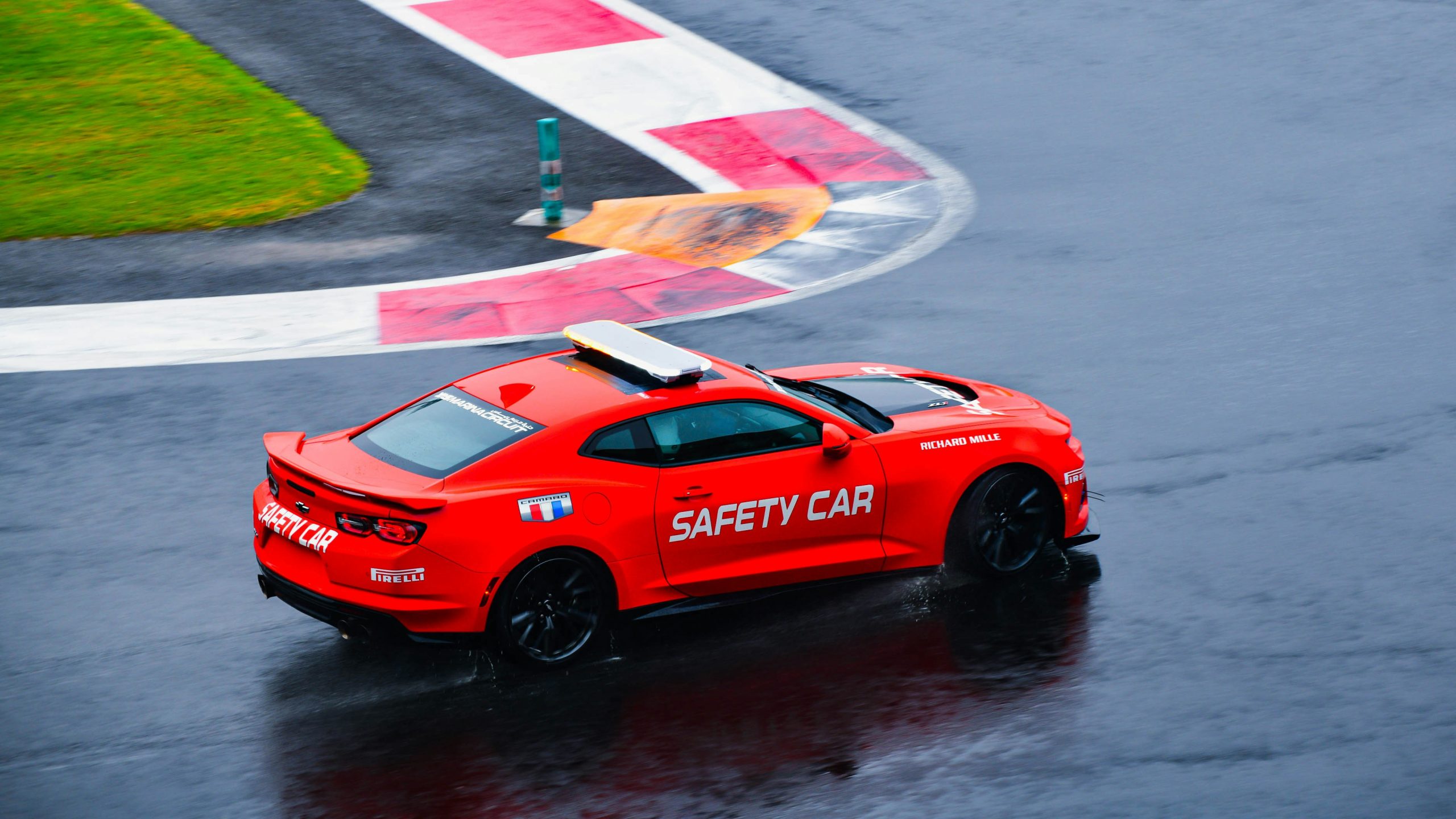
Evolution of circuit safety: how Formula 1 has protected drivers
Formula 1 is not just about speed, adrenaline and spectacle: it is also the story of a constant struggle for driver safety. From the circuits of the past, dangerous and lacking modern barriers, to the tracks of today, equipped with the latest technology, the evolution of safety has transformed the sport, saving lives and allowing champions to race to the limit without excessive risk.
From the pioneering era to the first safety regulations
In the 1950s and 1960s, racing in Formula 1 was an extremely dangerous endeavor. The circuits were often ordinary roads or racetracks with minimal protection: trees, low walls, and rudimentary guardrails were just a few feet from the track. Victories were celebrated, but each race could turn into tragedy. The lack of standards and protective devices meant that drivers had to rely only on their skill and courage.
It was precisely the high number of accidents and fatalities that prompted Formula 1 to change dramatically. The creation of safety barriers, the introduction of homologated helmets and fireproof suits represented the first steps toward greater protection, gradually transforming the way races were organized.
The era of technological innovations
In the 1980s and 1990s, safety became a top priority. The most iconic circuits, such as Monza, Spa and Silverstone, began to be equipped with wider escape routes, concrete new jerseys, stronger guardrails and shock-absorbing zones, dramatically reducing the risk of fatal accidents.
The cars also changed dramatically. The introduction of the carbon monocoque chassis, the Head and Neck Support (HANS) system, and improvements in seatbelt systems made it possible to protect the driver even in the event of impacts at speeds above 300 km/h. Each innovation has a clear goal: to save lives without taking away from the spectacle of the sport.
Regulations and prevention: ongoing work
Today, safety in Formula 1 is not only about circuits and cars, but also about driver preparation. Regulations such as the pit lane speed limit, management of accident detectors and emergency evacuation procedures are standard in all Grand Prix.
In addition, simulation sessions and virtual crash tests make it possible to anticipate danger scenarios, preventing accidents even before they can happen. Collaboration between the FIA, engineers and sports physicians is constant, with the goal of minimizing any risk, keeping Formula 1 at the forefront of the world in terms of safety as well.
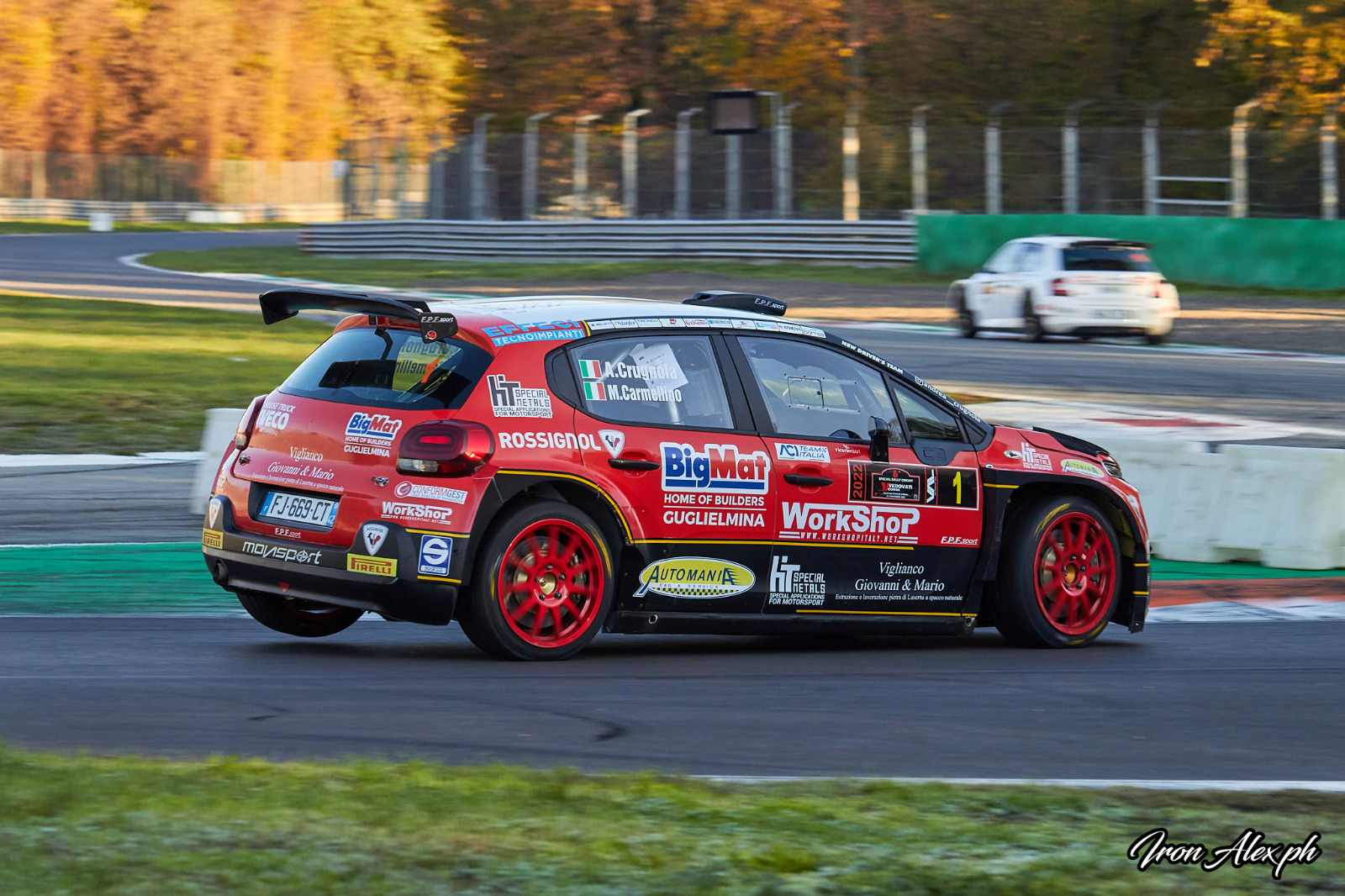
EIGHTY-TWO CARS AT THE START OF THE 9TH SPECIAL RALLY CIRCUIT BY VEDOVATI CORSE
Autodromo Nazionale Monza hosts Saturday, Nov. 15, and Sunday, Nov. 16, the ninth edition of the Special Rally Circuit organized by Vedovati Corse. Eighty-two crews are at the start. With excellent names such as Matteo Fontana from Como, who won the WRC3 world championship at the Japan Rally. In Monza, however, he will read the notes to "grandfather" Luigi, doyen of national rallies on the Toyota Yaris Gr Rally2. Also present will be Alessandro Arnaboldi, his usual navigator, who has become the youngest co-driver to boast a world title: he will flank Giuseppe Pozzoli on a Ford Fiesta Rally4.
Vice-champion overall and winner of the Italian Rally Trophy, Andrea Crugnola from Varese is a regular at Vedovati having already won it in 2022: this year he will compete with Stefano Tavernini, who has "colored" the Citroen C3 Rally2 with his marks this season.
Headlights on Matteo Bernini as well: not yet of age, he raced the Croatian championship, winning both the Junior and Overall titles.
Also on the entry list is Marco Butti from Como, fifth in TCR Europe 2025 - only a breakdown in the last round deprived him of the continental crown - and winner of "Vedovati" 2021, the first minor to win a rally in Italy.
Ossola's Guido Zanazio and Bergamo's Cesare Brusa will also be there in a Citroen C3 Wrc+ as they did a year ago when they captured overall success.
Simone Miele, already winner of an IRC Cup and the same "Vedovati" in 2018 and 2019, will also be present in the role of navigator of partner Sara Micheletti.
Novara-based Piero Longhi, a federal instructor who can boast two overall national titles in his trophy cabinet, and Mirko Puricelli, who triumphed in 2014, still stands out; he will now race in his Citroen DS3 WRC while the navigator who shared that success, Gabriele Falzone, will sit alongside Ogliari in Rally2.
As many as 37 Rally2s attended.
The program includes Saturday reconnaissance (with road cars) from 10.30 to 12.30 and shakedown (optional) from 14 to 15.45 and 15.45 to 17.30. On Sunday the race with the start set at 08.31 for a total of 4 Special Stages. The arrival of the first car is scheduled for 16.30 hours. There are 89.170 total kilometers of which 86.800 are timed
Admission is free, parking fee only on Sunday.
(Source: Vedovati press release)
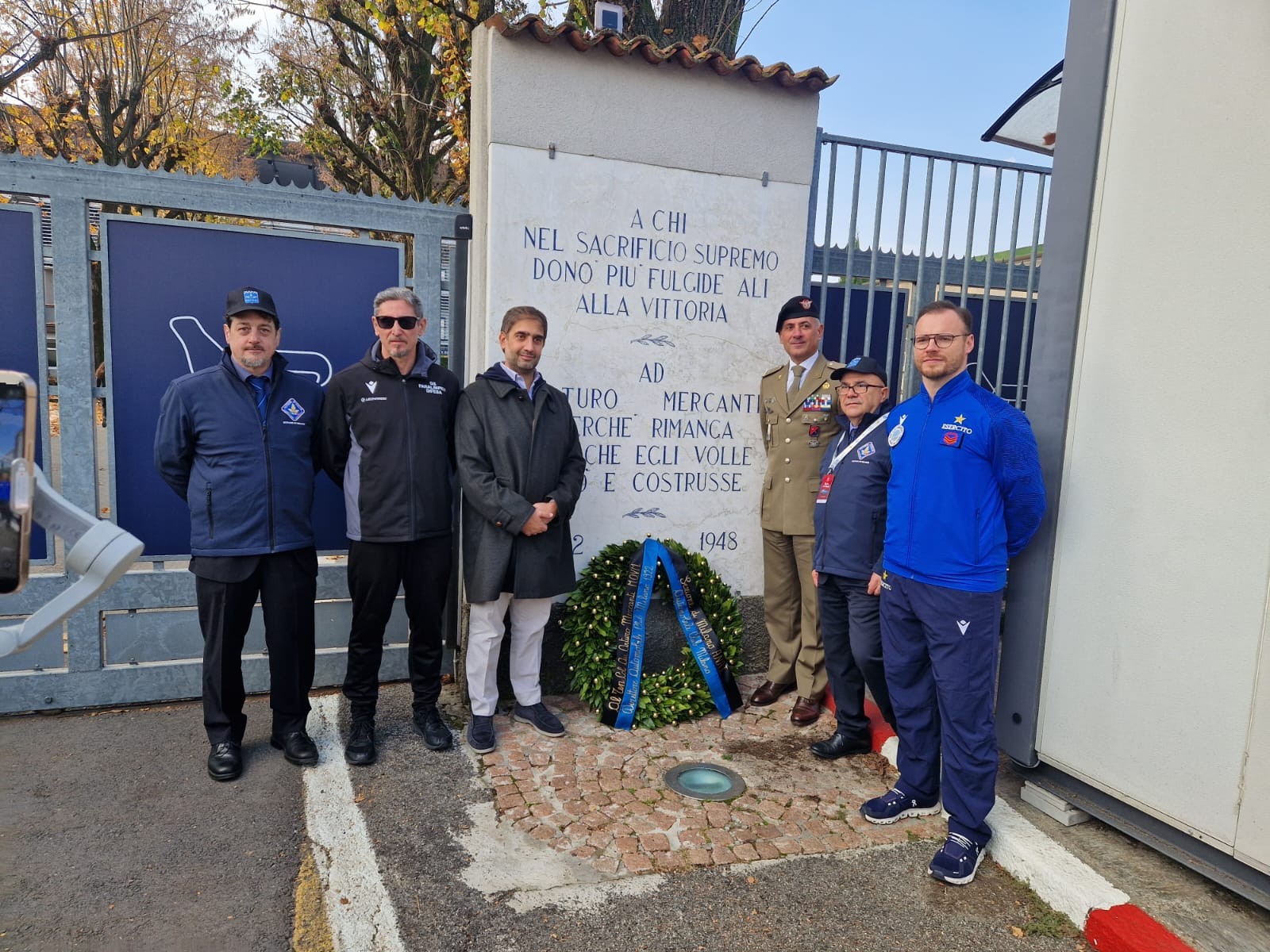
PRESIDENT LA RUSSA IN MONZA FOR “WHEELS IN HISTORY”, TO HONOUR AND REMEMBER FERRUCCIO MERCANTI, THE FATHER AND FOUNDER OF THE AUTODROMO
About sixty vintage cars participated in "Wheels in History" today, Sunday, Nov. 9, 2025. ACI Storico 's traveling event, which in this edition had as its main theme the Milan Cortina Olympic Games to be held in just over two months. The cars , after stopping at some, iconic Milanese sports venues, reached the legendary Monza track, making one lap on the High Speed Ring and one of the 5.793-kilometer road course home of the Formula 1 Italian Grand Prix.
At the end of the parade, a ceremony was held in memory of Arturo Mercanti who, as director of the Automobile Club Milano, wanted the creation of the Monza National Racetrack. At the entrance, under the stele dedicated to him, the President-elect of Automobile Club d'Italia and president of ACM, Geronimo La Russa, accompanied by General Carmine Sepe, Commander of the Army Military Command Lombardy, stationed in Milan, retired Autieri General Francesco Lojacono, General and Paralympic athlete, Roberto Como, and former slalom racer Giuliano Razzoli, Olympic gold medalist in Vancouver 2010, as well as two victories and 11 podiums overall in the World Cup, and a member of the Courmayeur Army Sports Center, laid a laurel wreath.
"It was absolutely right to celebrate Arturo Mercanti, who was a great military man but also a great statesman and a pioneer of motor racing," stressed President La Russa. "He was the director of the ACM and was the one who strongly wanted this racetrack, which more than 100 years later, makes Italy great in the world and makes the hearts of so many fans beat faster. A facility that the world envies us. And he himself in 1922 fought to make it because it was not a given that it would be done here, in the largest enclosed park in Europe. Right to remember him in an event that acts as a link between ACI, Sport and the Army. We are all part of this great nation. The Tricolor will continue to soar high on this racetrack that holds world-class events every year. Today is a particularly happy day because we are also celebrating Ferrari, which races under an ACI sports license and has just won the WEC title, which makes us all proud."
Also present at the event were Autodromo Nazionale Monza vice president Enrico Radaelli, ACM vice president Marco Coldani, director of the day, and director Paolo Roggiero.
The event was organized by Automobile Club Milano and ACI Storico with the collaboration of CONI Lombardia.
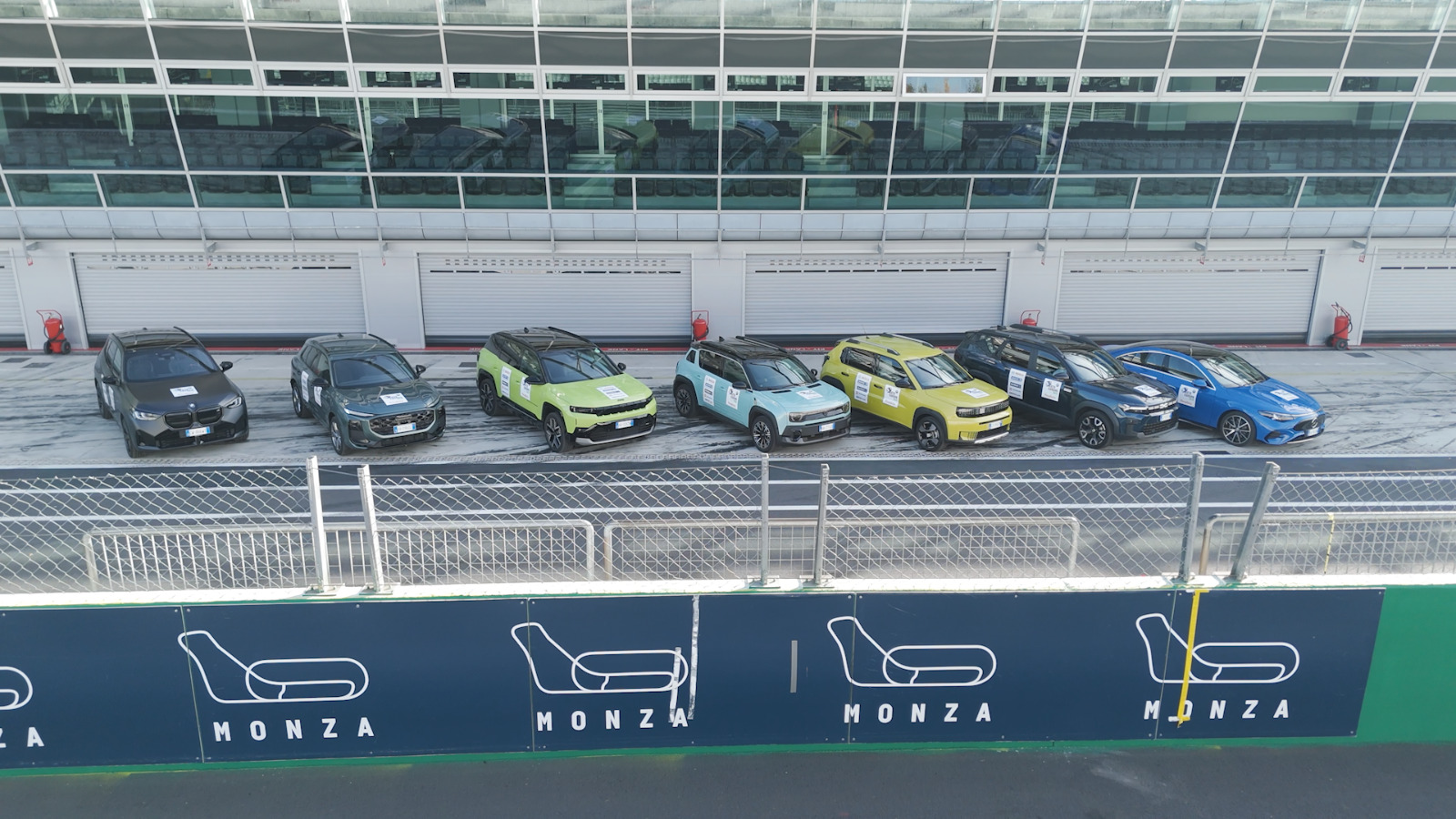
THE SEVEN FINALISTS OF AUTO EUROPA 2026 IN THE TEMPLE OF SPEED
Autodromo Nazionale Monza hosted the photo video shoot of the seven finalists of Auto Europa 2026 on Thursday, November 6, 2025. Organized by UIGA, the Italian Union of Automotive Journalists, the event is now in its thirty-ninth year.
Deployed along the pit lane are Audi Q3, Bmw X3, Dacia Bigster, Fiat Grande Panda, Jeep Compass, Mercedes-Benz CLA and Renault 4 E-Tech Electric.
These cars were chosen by UIGA members assisted by a jury of 150 opinion leaders. On Nov. 10 and 11, 2025, the seven finalists will compete for the important award at the Bosch Italia headquarters in Milan, thanks to the votes of the specialized journalists who make up the association, the jury formed by the opinion leaders and the public .