


FORMULA 1, GT WORLD CHALLENGE AND LAMBORGHINI WORLD FINALS: HERE'S THE 2026 CALENDAR
FORMULA 1, GT WORLD CHALLENGE AND LAMBORGHINI FINALS: HERE'S THE 2026 CALENDAR
Autodromo Nazionale Monza’s 2026 promises to be a year of great excitement, with a series of events embracing tradition, innovation and the best of international motorsport.
The season will kick off on March 26 when the Autodromo will host the prologue of the Milano-Sanremo, a fascinating regularity race reserved for historic cars. The famous circuit will host technical and sporting scrutineering and the first special stages, the route of which will also include the iconic Anello Alta Velocità.
The second event will be scheduled from April 30 to May 2, with Porsche Club Suisse returning to enliven the Temple of Speed, while at the end of May it will be the great protagonists of the GT scene who will put on a show on the legendary italian track: in fact, on May 28 the official tests will take place ahead of the prestigious GT World Challenge Powered by AWS, scheduled for May 29-31. Also thrilling the trackside audience over the weekend will be the racing and action of the three supporting series: the GT4 European Series, the GT2 European Series powered by Pirelli and the McLaren Trophy Europe.
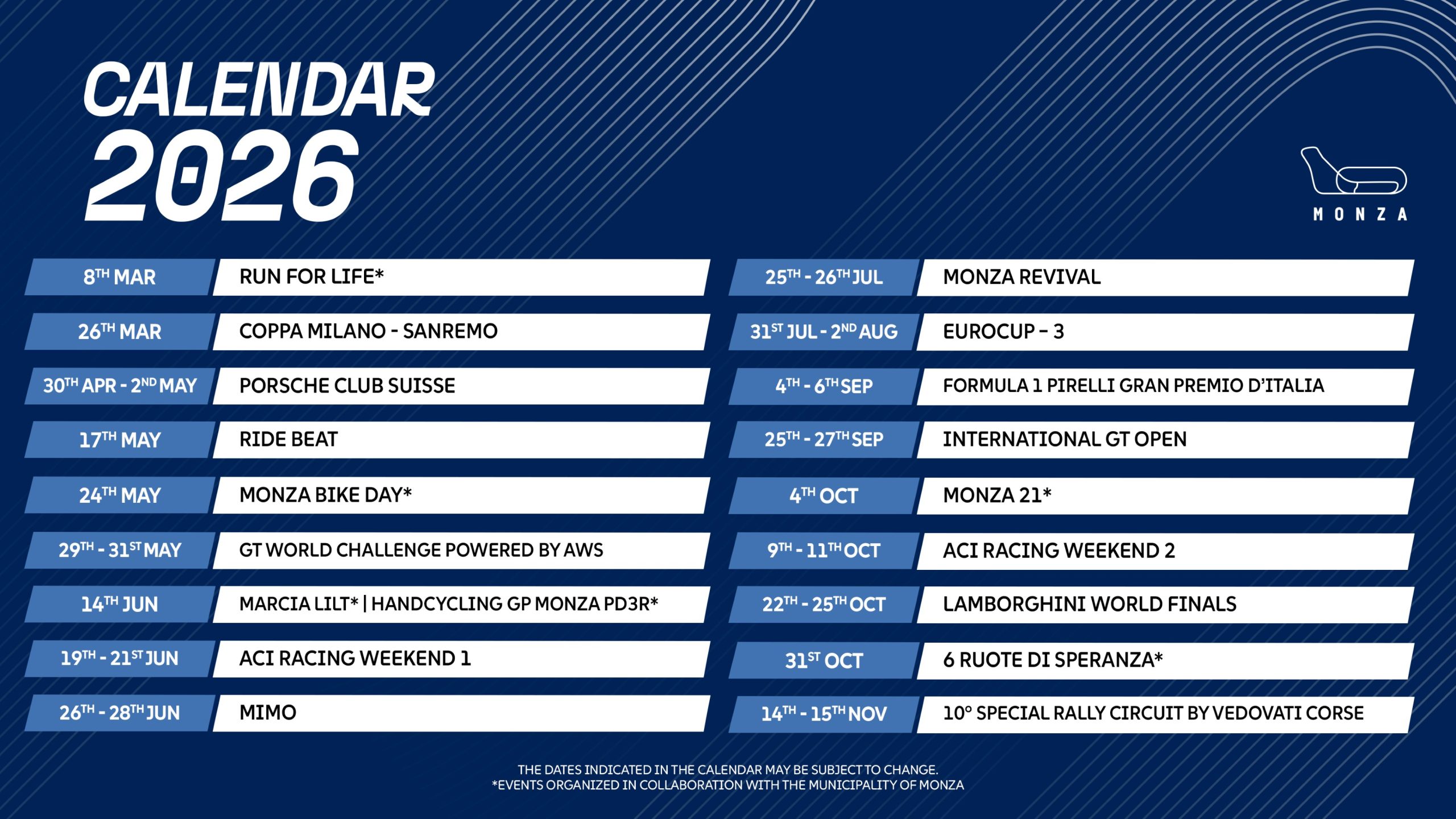 The month of June will see the track open up to young single-seater talent: on June 18 the official tests of the Formula Regional European Championship and Formula 4 will be held, while from June 19 to 21 the first ACI Racing Weekend will bring to the circuit a packed program that includes FIA Formula Regional, Formula 4, Campionato Italiano GT Endurance, TCR Italy and Porsche Carrera Cup Italia.
The following week will feature an event that has become part of the recent history of the Autodromo Nazionale Monza: the MIMO, Milano Monza Motor Show, scheduled for June 26-28.
Nostalgic atmosphere with the Monza Revival, scheduled for July 25 and 26, an event on the Masters Historic Racing calendar and dedicated to the history of motor racing. Queen category the Formula 1s of the past that helped create the myth of The Temple Of Speed.
The month will close on July 29 with official testing of the Eurocup-3, which will then return to racing action from July 31 to Aug. 2. The Dallara 326s (D326), powered by the 1.6-liter Toyota three-cylinder engine prepared by Tom’s, will be on the track. The protagonists of categories such as the Prototype Cup Europe will also be putting on a show over the weekend.
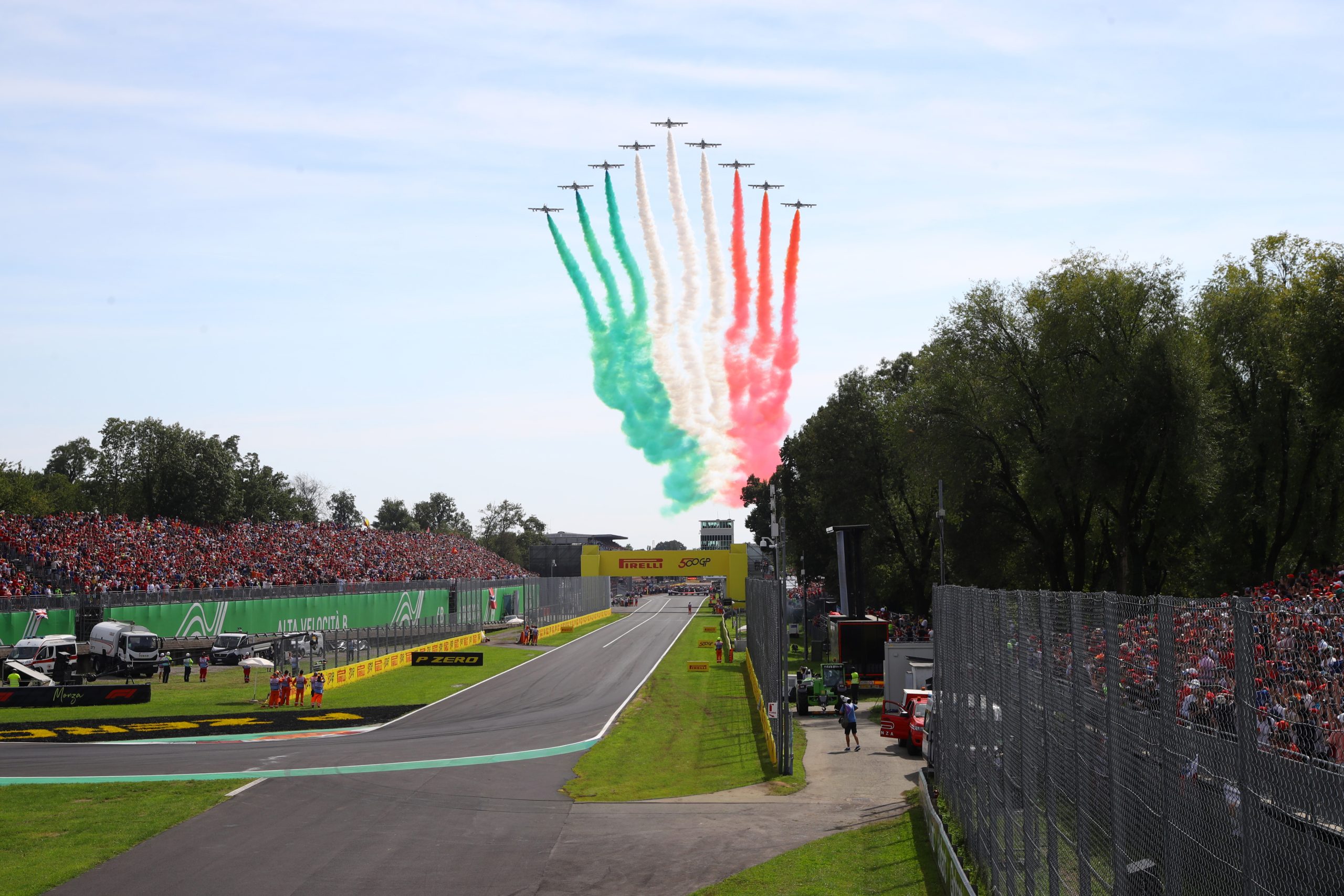
The highlight of the season will come Sept. 4-6, when the Autodromo Nazionale Monza will host the Formula 1 Pirelli Gran Premio d’Italia 2026. The 97th edition of the race will constitute the 15th round of the 2026 World Championship. Also on the track will be the protagonists of FIA Formula 2 and FIA Formula 3 (the latter series will contest the final act) and the one-make Porsche Mobil 1 Supercup.
Official GT Open testing will be staged on Sept. 24, followed Sept. 25-27 by the International GT Open series race. Also racing will be the protagonists of GT Cup Europe, Euroformula Open, Lotus Cup Italia: these are support series that will enliven the weekend with duels and battles to the last breath. On this same weekend Monza will see the return of the TCR Europe Touring Car Series.
The fall will continue with the second ACI Racing Weekend, scheduled for Oct. 9-11, which will bring the Campionato Italiano GT Sprint Italian, the Campionato Italiano Sport Prototipi, the E4 Championship, GT4 and the Campionato Italiano Autostoriche to the track.
The official Lamborghini tests will be held on Oct. 19 and 20, with the historic brand from Sant’Agata Bolognese also taking center stage from Oct. 22 to 25: the spectacular Lamborghini World Finals will be staged that weekend.
Closing out the season will be the Special Rally Circuit by Vedovati Corse, scheduled for Nov. 14 and 15, included this year in the Circuit Rally Trophy, which will bring typical rally atmospheres to the Monza track in an event that is always popular with the public and drivers.
NOT JUST MOTORS: BIKING, RUNNING AND SOLIDARITY
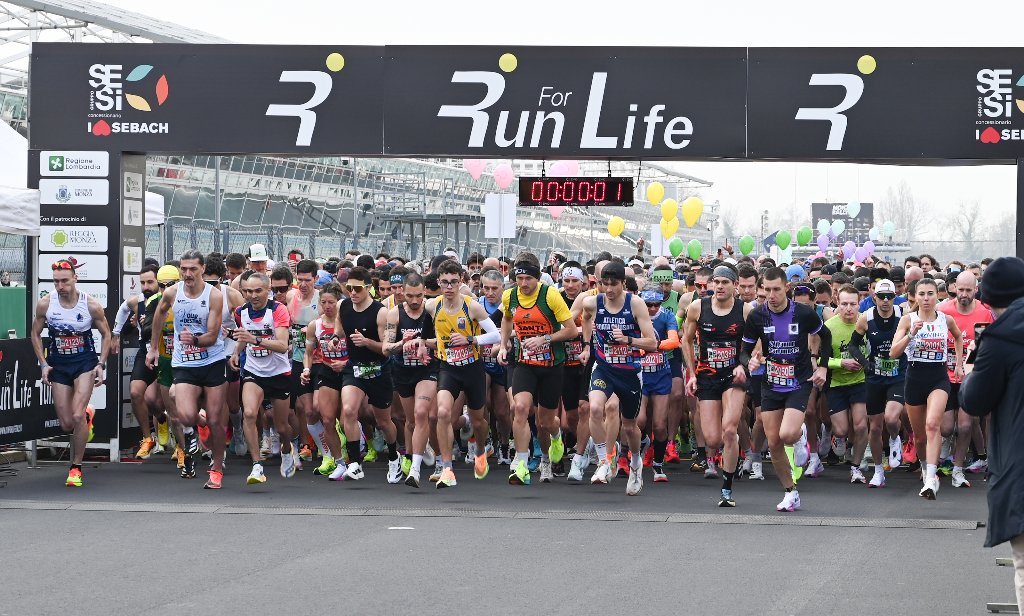
Autodromo Nazionale Monza, as per tradition, will also host non-motor-related events, many under the patronage of the City of Monza. It will begin on Sunday, March 8, with the 11th edition of Run For Life, a competitive (21 or 10 km) and non-competitive (10 or 5 km) running race. The event is organized by Socialtime Odv and included in the National Calendar of FIDAL and the Global Calendar of World Athletics.
On Sunday, May 17, room for bikes: the Ride Beat, sponsored by Cancro Primo Aiuto, will be held.
Cyclists were also on the track the following Sunday, May 24, for the Monza Bike Day organized by Pedale Monzese.
On June 14, double date with Handcycling GP Monza PD3R and 46th LILT March (Solidarity Run/Walk): the former is organized under the aegis of the Italian Cycling Federation – Paralympic Sector by Piccoli Diavoli 3ruote ASD ONLUS; the latter by the Lega Italiana per la Lotta contro i Tumori (2.5 km, 5.8 km and 10 km the available routes).
On October 4, the Monza21 Half Marathon curated by FollowYourPassion will be held, while on October 31 it will be the turn of 6 Ruote di Speranza: the nonprofit event that for decades has combined motors, sociality and solidarity is organized by UILDM, Unione Italiana Lotta alla Distrofia Muscolare, “Giovanni Bergna” section.
SPORTS, ENTERTAINMENT AND HOSPITALITY: THE RACETRACK BEYOND COMPETITIONS
Each event in the Autodromo Nazionale Monza racing calendar, motoring and non-motoring, will be enriched by an articulated program of activities dedicated to the public, aimed to make the experience inside the facility even more engaging and accessible. Spectators will be able to enjoy areas designed to families and children, food & beverage proposals, musical moments and entertainment initiatives. Even on weekends without competitive events, the Autodromo will offer a series of activities and services for the benefit of the facility’s users, confirming its vocation as a lively, open and central place for the territory.
RUN FOR LIFE 2026 PRESENTED: TARGET OF 8,000 PARTICIPANTS FROM 50 COUNTRIES
RUN FOR LIFE 2026 PRESENTED: TARGET OF 8,000 PARTICIPANTS FROM 50 COUNTRIES
NEW SIAS BOARD OF DIRECTORS: REDAELLI CONFIRMED AS CHAIRMAN
NEW SIAS BOARD OF DIRECTORS: REDAELLI CONFIRMED AS CHAIRMAN
The shareholders’ meeting of Autodromo Nazionale Monza Sias S.p.A. (Società Incremento Automobilismo e Sport), an in-house company of the Automobile Club d’Italia (ACI), which manages the historic Brianza facility, home of the Formula 1 Italian Grand Prix, appointed its new Board of Directors on Monday, Feb. 16, 2026: Giuseppe Redaelli, reappointed as Chairman (President Automobile Club Varese); Aldo Bonomi (President Automobile Club Brescia), Giovanna Cipolla (President Automobile Club Bolzano), Paolo Longoni (Vice-President Automobile Club Milano), who also assumes the position of Vice President, and Marfisa Luciani (President Automobile Club L’Aquila).
The Board of Statutory Auditors will consist of Manuela Bianchi (Chair); Fabrizio Prati; and Piergiacomo Jucci.
“I would like to thank the outgoing Board members for their constructive and passionate collaboration during the previous three terms and extend a warm welcome to the new members of the Board of Directors,” said Giuseppe Redaelli, Chairman of Sias S.p.A since May 5, 2017. This BoD has the task of continuing the path of strengthening and development of the Autodromo Nazionale Monza, working in close synergy with the shareholders ACI and Automobile Club Milano and with local and national institutions, to continue to develop opportunities for success and satisfaction for promoters and fans, consolidating that international reputation of ‘Temple of Speed’ that – in more than a century lived as a protagonist in world motorsport – distinguishes the natural home of the Formula 1 Italian Grand Prix.”
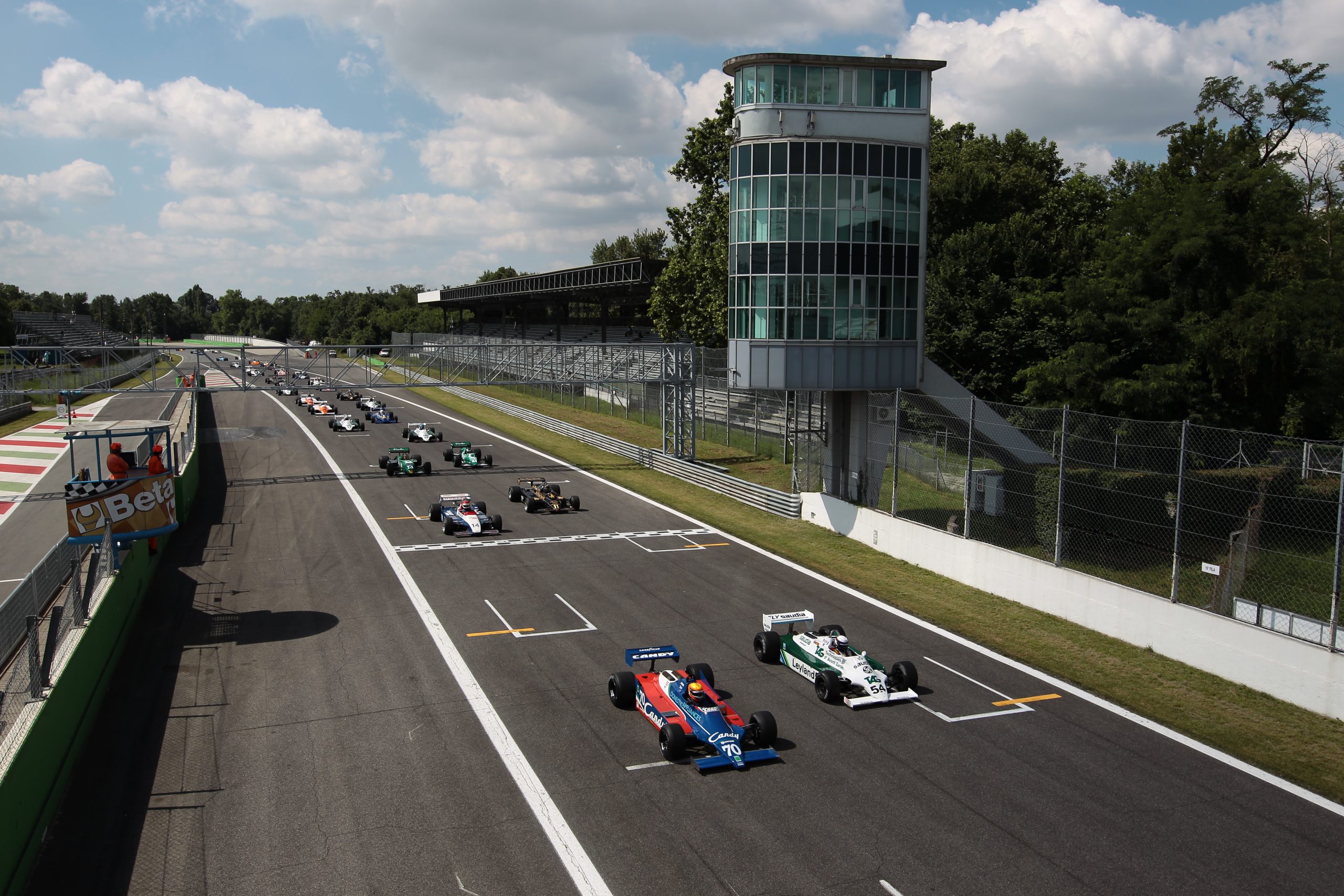
MONZA REVIVAL: HISTORIC RACES RETURN TO THE TEMPLE OF SPEED
Iconic Formula 1 cars, alongside Endurance Prototypes, Group C cars, GTs and classic Touring cars: on 25 and 26 July 2026, the Autodromo Nazionale Monza will host the Monza Revival, an event organised by Masters Historic Racing, which will mark the return of high-level historic competitions to one of the most iconic circuits on the international motorsport scene.
The Monza Revival will feature a series of historic races, bringing back to the track some of the cars that have written memorable pages in the history of motor racing and of the oldest European circuit still in activity. A rich and prestigious programme, designed to celebrate the technical, sporting and cultural value of historic competitions.
The 2026 edition has been conceived as a prologue, with the aim of laying the foundations for a long-term presence on the international calendar. During the event, the paddock will be reserved for professionals only. The public will be able to follow the action on the track by accessing the available grandstands, which will be indicated on the website www.monzanet.it. Admission to the circuit will be free, while parking will be subject to a charge.
The Monza Revival 2026 will offer competitors a rare opportunity to take part in a completely new event at one of the most iconic venues in world motorsport, helping to write the first chapter of what is destined to become a regular fixture and benchmark in the international historic racing calendar.
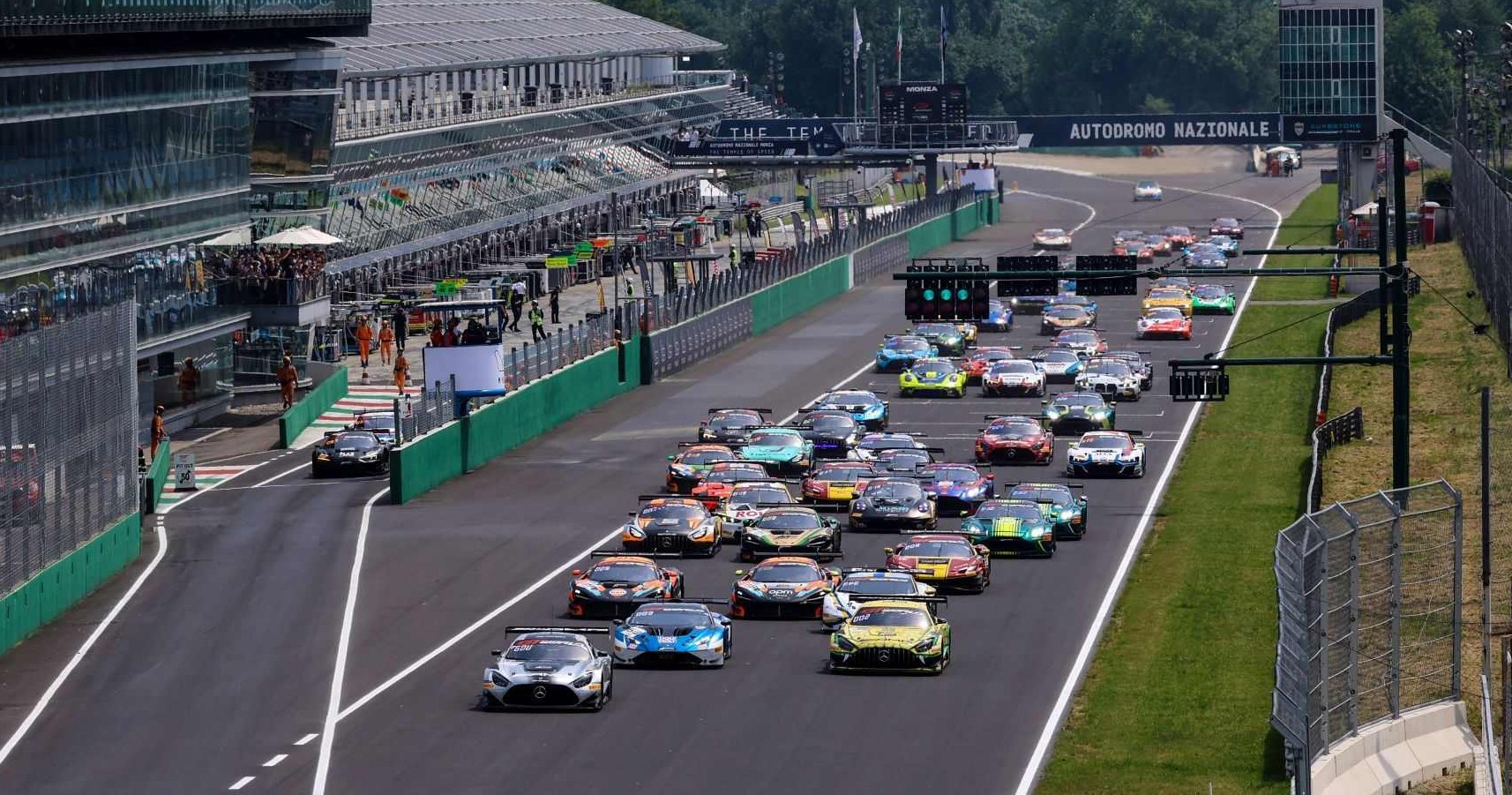
TICKET SALES OPEN FOR THE WORLD CHALLENGE EUROPE
Ten legendary motorsport brands—Aston Martin, Audi, BMW, Chevrolet, Ferrari, Ford, Lamborghini, McLaren, Mercedes-AMG and Porsche—around a hundred drivers, and the return of Valentino Rossi, nine-time world champion on two wheels, who will take to the track with the BMW #46 of Team WRT: the GT World Challenge Europe by AWS Endurance Cup is one of the most important races on the 2026 calendar of the Autodromo Nazionale Monza. The event is scheduled for the weekend of 29–31 May, and ticket sales opened today at 12:00.
Friday 29 May, dedicated to free practice, offers free admission to the public; tickets cost €20 for Saturday and €30 for Sunday, while a weekend pass for both days is available for €40. The ticket includes free access to the paddock and all available grandstands. In addition, spectators can purchase the Grid Walk (€40) on top of the admission ticket.
Admission is free for children up to 6 years old. From ages 7 to 11, entry costs €1, with a maximum of three discounted tickets purchasable for each paying adult. Discounts are available for youngsters aged 12 to 17, with a maximum of three discounted tickets purchasable online or on site at the Monza Circuit Shop for each paying adult. The same applies to ACI members, with tickets available exclusively at the Monza Circuit Shop.
Tickets for the event can be purchased on monzanet.it or directly through the official retailer on Ticketone.it and at nearly 1,000 physical sales points across Italy. In addition, admission tickets can also be bought at the Monza Circuit Shop in the days leading up to the event and, during the event days (Saturday and Sunday), at the ticket offices located at the circuit entrances.
Throughout the weekend, fans will be able to experience the behind-the-scenes excitement up close thanks to paddock access, driver autograph sessions, and the Fan Zone—an entertainment area for the whole family featuring a kids’ area, food trucks, DJ sets, a supercar display, and a giant screen to follow the races live.
In addition to the GT World Challenge Europe by AWS Endurance Cup, the weekend will also feature on-track action from the GT4 European Series, the McLaren Trophy Europe, and the GT2 European Series powered by Pirelli.
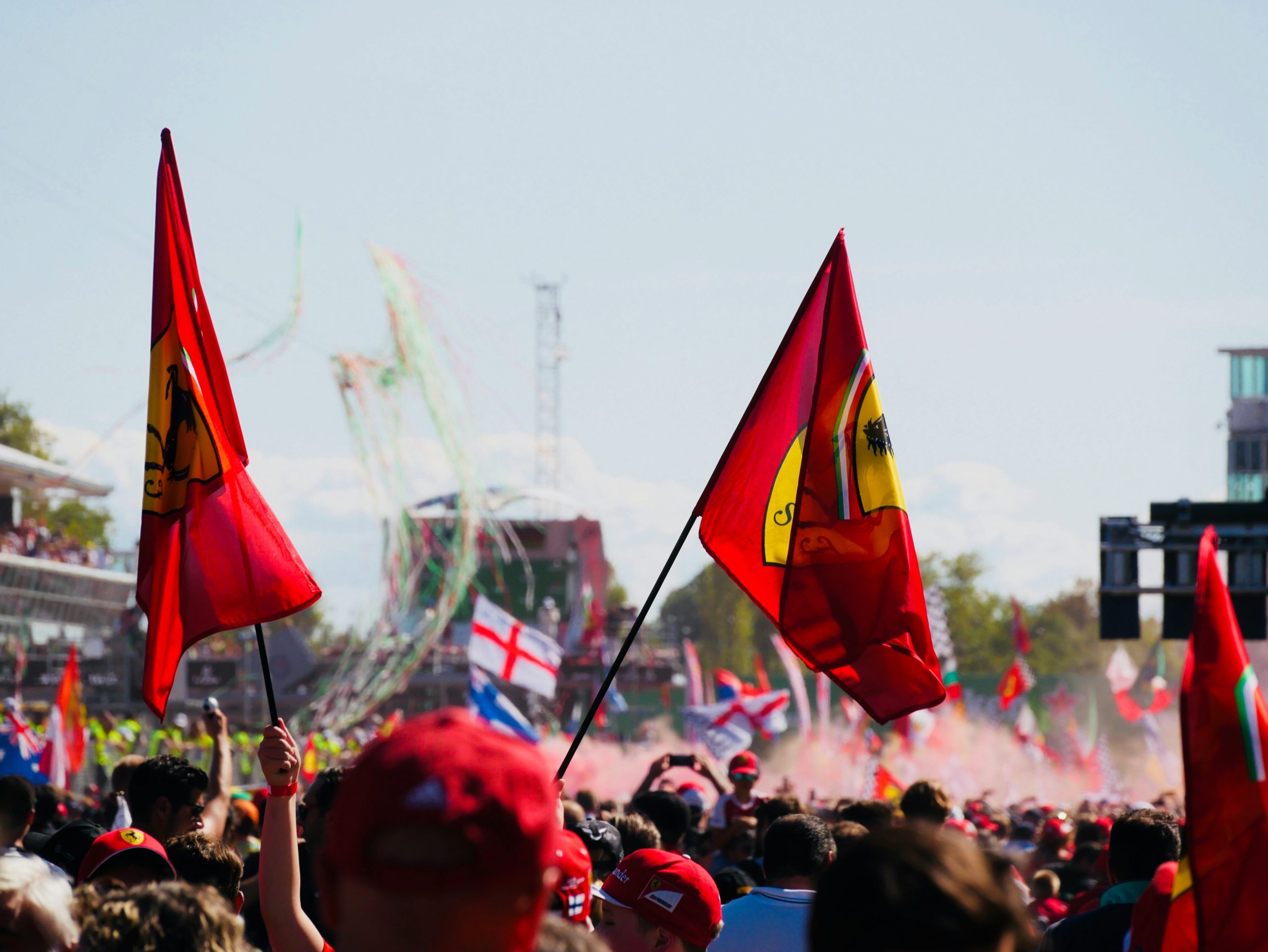
Monza and the Scuderia Ferrari: history of an Italian passion
Autodromo Nazionale Monza and Scuderia Ferrari share a unique bond in the history of Formula 1. A relationship made of victories, emotions and unforgettable moments that have helped build the identity of Italian motorsport. Monza is not just a stop on the calendar: for Ferrari it represents a symbolic place, where the passion of the fans and the value of tradition come together in an extraordinary way.
Monza, the Temple of Speed and the home of Ferrari fans
Since the first editions of the Italian Grand Prix, Monza has become the natural stage for the Scuderia Ferrari. The circuit, with its long straights and historic curves, has enhanced the characteristics of Maranello's single-seaters over time, making each race a meaningful event.
Here the largely red-clad public has transformed the Autodrome into a place of collective celebration, where each passage of Ferraris is welcomed as a moment of national pride.
The victories that built a legend
Ferrari's many victories at the Italian Grand Prix have marked some of the most important pages of Formula 1. Iconic drivers such as Alberto Ascari, Niki Lauda, Michael Schumacher and more recently other Scuderia protagonists have helped strengthen this bond, delivering successes that have entered the memory of fans.
Each triumph at Monza had a special value, because it was won in front of a public that considers Ferrari much more than just a team: a symbol of Italian sporting tradition.
Emotions, disappointments and historical moments
The history between Monza and Ferrari is not only made up of victories. Defeats, setbacks, and races lost by a few details have also helped make this relationship so intense. Monza amplifies every emotion: the joy of a victory and the bitterness of a missed result become part of a shared narrative between drivers, team and fans.
This alternation of successes and difficulties has strengthened the passion over time, making each Italian Grand Prix an appointment loaded with expectations.
A bond that goes beyond competition
Monza and Scuderia Ferrari together represent a cultural heritage of motorsport. The circuit is where history meets the present, and where Ferrari continues to write new chapters of its legend.
Every year, the Italian Grand Prix renews this deep connection, confirming Monza as the beating heart of Ferrari passion and one of the most authentic symbols of Formula 1.
Formula 1: when motorsport becomes storytelling
Formula 1 is not just a sporting competition, but a universe of stories, iconic characters and continuous innovation. Over time, films, documentaries and video content have helped tell the story and culture of Formula 1, offering a privileged look at what happens beyond the track. These productions have transformed motorsport into a narrative capable of engaging even those who do not usually follow the races.
Cinema and Formula 1: rivalry, risk and passion
The silver screen has often used Formula 1 as a symbol of extreme challenge. Films such as Rush chronicle legendary rivalries, focusing on the relationship between driver, car and risk. Through cinematic storytelling, fundamental themes of F1 emerge: the psychological pressure, the courage required to race to the limit, and the constant balance between human talent and technology.
These films do more than just make a spectacle of speed; they help us understand the historical context of a time when Formula 1 was even more dangerous and deeply tied to the personalities of its protagonists.
Documentaries: the reality behind the scenes of Formula 1
Documentaries have played a central role in telling the true essence of Formula 1. Productions such as Senna e Schumacher show the human side of the champions, delving into sacrifices, tensions and internal team dynamics. Through archival images and firsthand accounts, these stories give back an authentic vision of Formula 1, far from the sole dimension of the sporting result.
In recent years, documentary series have expanded this approach, providing a continuous narrative of the season and making visible the strategies, conflicts, and decisions that influence each race.
Formula 1 as a global cultural phenomenon
Films and video content have helped transform Formula 1 into a global cultural phenomenon. Recounting historic circuits, legendary teams and moments that have marked entire generations, these productions help to understand the evolution of motorsport and its impact on contemporary society.
Audiovisual storytelling has made Formula 1 more accessible, bringing new fans closer and strengthening the link between past and present of a sport that continues to write its own history, race after race.
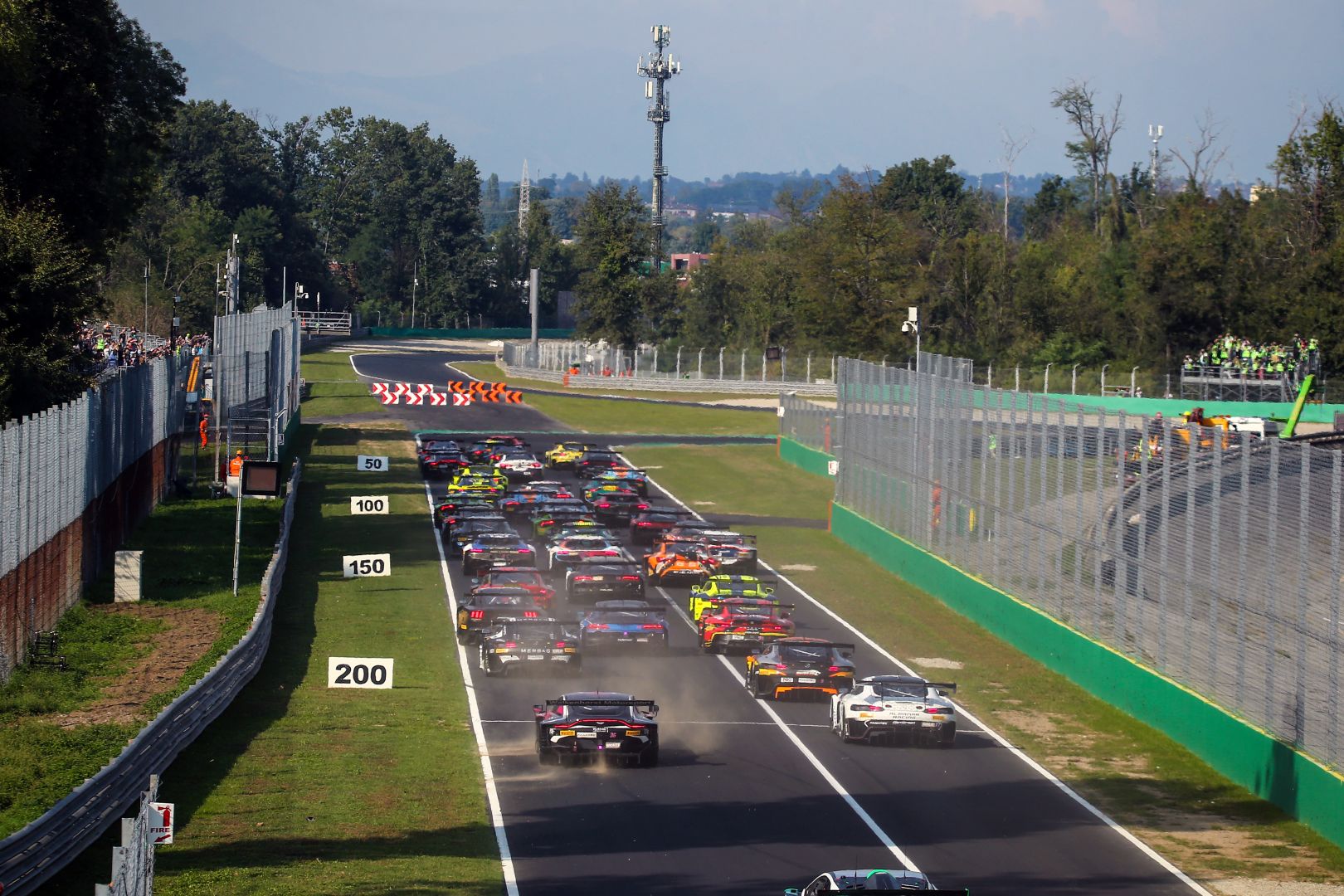
What makes a circuit difficult: the factors that challenge drivers and teams
Formula 1 is the pinnacle of speed, precision and strategy. Each circuit is unique, and not all tracks offer the same difficulties. Some are more challenging than others, requiring extraordinary skill on the part of the drivers and impeccable engineering on the part of the teams. But what makes a circuit truly difficult? In this article we will explore the technical and environmental factors that turn a circuit into a real challenge for drivers and teams.
The Technical Curves: the key to Mastery
Curves are one of the main aspects that make a circuit difficult. Tight, fast corners, such as those at Monaco or Singapore, test the drivers' skills and the mechanical grip of the single-seaters. High-speed corners, such as those at Spa-Francorchamps, require impeccable control and higher aerodynamic grip. The driver's ability to choose the right line and manage cornering speed is crucial to avoid mistakes that can cost precious tenths or seconds.
In addition, a circuit with various corner widths or downhill and uphill sections such as Interlagos makes it even more difficult to maintain control of the vehicle, increasing the importance of a perfect driving strategy.
The length and variability of the track
Another determining factor is the length and variability of the track. Longer circuits, such as Spa, test the endurance of drivers, who must maintain high performance for long periods. Different sections of a circuit, such as those at Suzuka or Interlagos, require drivers to be able to adapt quickly to changing conditions, moving from tight corners to fast straights, without ever losing their rhythm.
Circuits that combine different types of sections (fast, technical and low-grip) create more complex challenges, as each sector requires a different car set-up and a different strategic approach.
The environmental conditions: the climate and the track surface
Environmental conditions heavily influence the difficulty of a circuit. Temperature, humidity and unpredictable weather conditions-such as rain or wind-can further complicate driving. For example, Monaco, with its city track and narrow barriers, becomes even more complicated when weather conditions suddenly change.
In addition, some circuits are known for their uneven surface that can reduce grip. High temperatures or rain make tire management even more difficult, and a driver must be able to adapt quickly to changing conditions during the race.
The Set-Up and Preparation of the Machine
Each circuit requires a different car setup. A circuit like Monza, famous for its long straights, requires a car with low downforce to maximize straight-line speed, while more technical circuits like Hungaroring require a car with higher downforce to optimize cornering performance. The difficulty lies in the fact that the conditions and characteristics of each circuit require specific adjustments to maximize the car's performance. The preparation of the car is therefore a key aspect that determines the success of the driver and the team.
Competition and strategies in competition
Finally, the difficulty of a circuit depends not only on the track itself, but also on the competition, race strategies, and team commitment. A circuit that favors difficult overtaking, such as Monaco, can test even the best drivers, forcing them to manage tires and race position impeccably.
But the driver's skill alone is not enough: the team's strategy is crucial in determining the final outcome. Pit-stop strategy, proper timing for stops, and traffic management are all factors that, together, can dramatically change the outcome of a race.
In these situations, communication between driver and team becomes essential, as does the team's ability to adapt quickly to every evolution of the race, from weather conditions to tire behavior. The synergy between driver and team is what often makes the difference between a win and a loss.
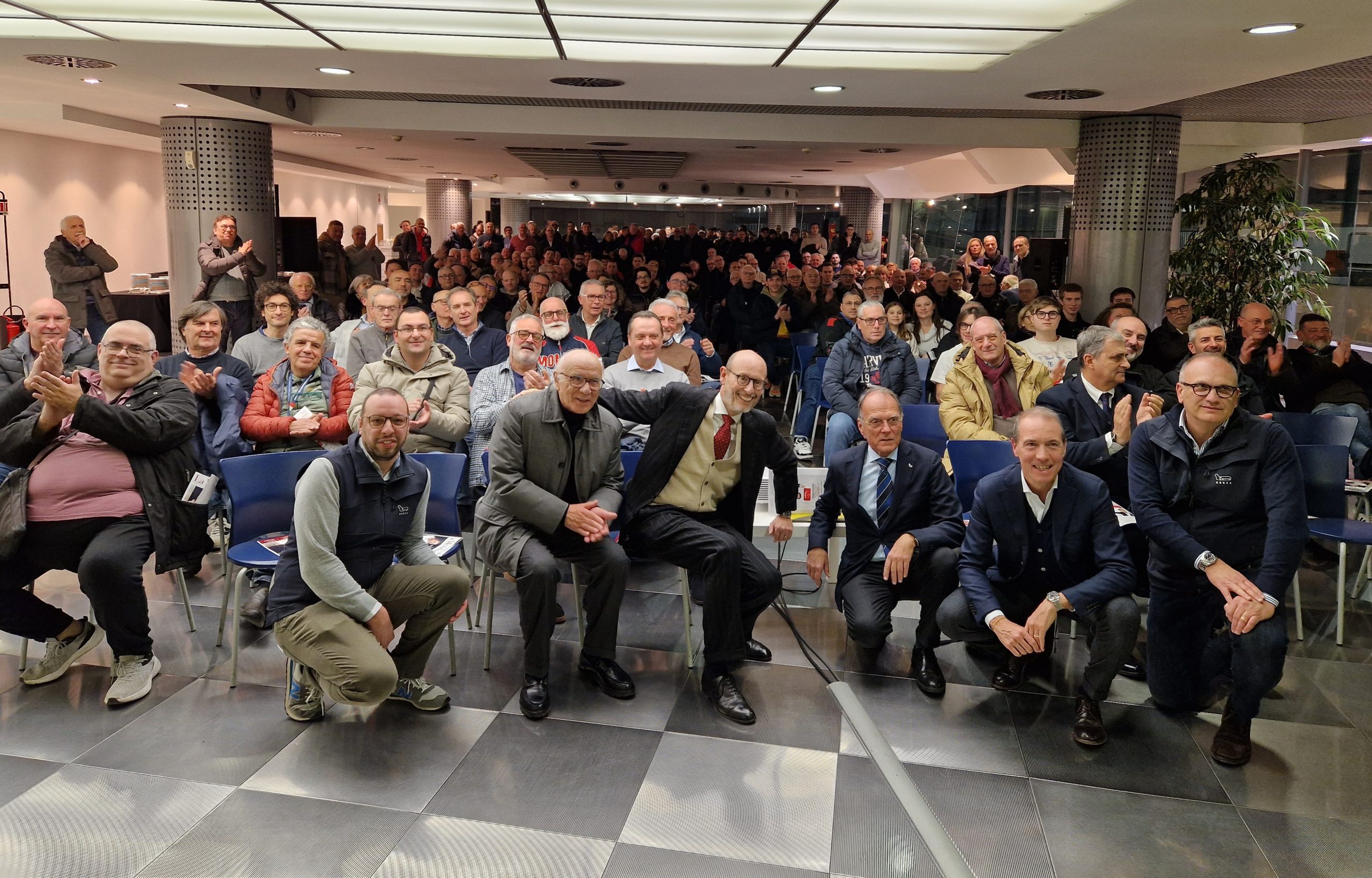
TRADITIONAL EXCHANGE OF GREETINGS WITH AUTOMOBILE CLUB MILAN ROUTE COMMISSIONERS
Traditional exchange of Christmas greetings on Monday, Dec. 15, 2025, at the Region Room of the Autodromo Nazionale Monza with the route commissioners of Automobile Club Milano. The evening opened with a viewing of the docufilm "La Monza dei piloti monzesi," sponsored by La Meridiana Social Cooperative and produced by Easy TV.
With Guido Meda narrator, the film constitutes a journey inside the history of the Autodromo Nazionale Monza, told through interviews and period images. Protagonists of the story are Monza drivers including Antonella Ambrosini, Fabrizio Barbazza, brothers Ernesto (Tino) and Vittorio Brambilla, Ferdinando (Nando) Cazzaniga, Peo Consonni and Luigi Sabbadini. They were joined by some Monza journalists and writers such as Walter Consonni, Enrico Mapelli, Gigi Vignando and the National Press Officer of the Autodromo, Andrea Cremonesi.
Wishing a Merry Christmas and a Happy 2026 were the Deputy Vice President of AC Milan Pietro Meda, who thanked for the expertise put in place by the commissioners and the progress made in 2025; Autodromo Nazionale Monza President Giuseppe Redaelli, who pointed out that the record edition of the last F1 Italian GP was evaluated very positively by the structure led by Stefano Domenicali also thanks to the work of the Course Commissioners; Automobile Club Milano Director Paolo Roggero; and Autodromo Nazionale Monza General Manager Alfredo Scala.
Taking the floor finally were the two Race Directors, Oscar Comi and Renato Schmidt who in unison wanted to give the "charge" to the commissioners in view of a 2026 full of important events and competitions: from Porsche Suisse to the Lamborghini World Finals, passing through GT World Challenge the appointment with the F1 World Championship.
Also present at the evening were ACM Vice President Paolo Longoni, Autodromo Nazionale Monza Vice President and ACM board member Enrico Radaelli, and ACM Sports Commission Chairman Alberto Ansaldi.
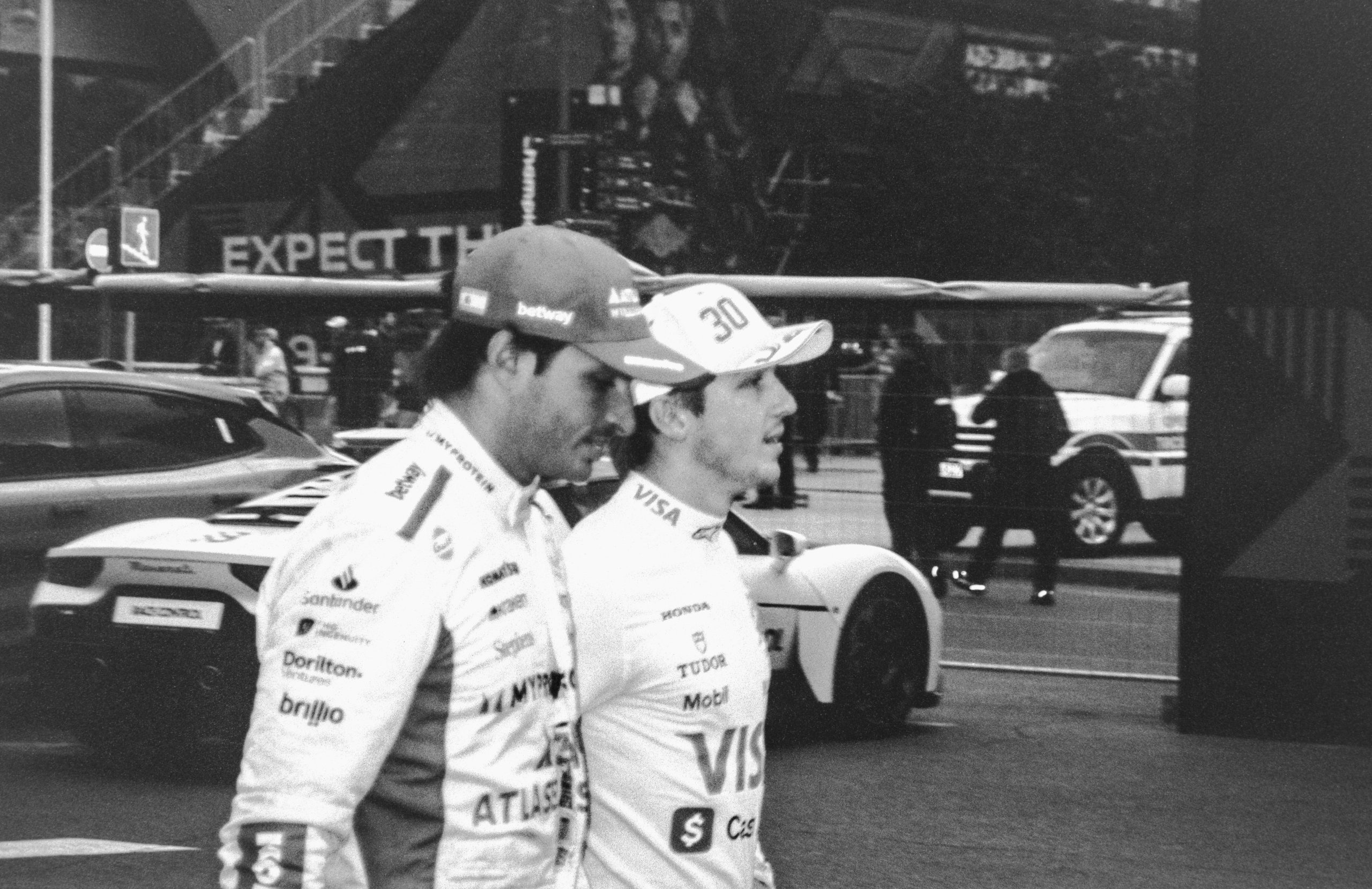
How to become a driver: the path to professional motorsport
Becoming a Formula 1 driver is the dream of many, but turning it into reality is by no means simple. It requires boundless passion, huge sacrifices and a precise path from early experiences in go-karts to competing on iconic circuits such as Monza.
In this article, we will guide you through the milestones that every driver must go through to get to the top of motorsport.
The starting point: go-karting
The journey to Formula 1 begins with go-karting. Here, drivers learn the basics of driving: steering wheel control, speed management and track reading. It's not just a game of speed-it's the school where they hone the skills that will later define every career. Children who start racing a kart also learn how to handle physical fatigue and understand tire behavior on the track.
Many of today's greatest drivers, such as Lewis Hamilton, Max Verstappen and Charles Leclerc, took their first steps in go-karts, proving that it is the strongest foundation on which to build the future of any champion.
From single-seaters to minor formulas: the quantum leap
Once go-karts have been mastered, the next step is to enter the world of single-seaters. Competitions such as Formula 4 and Formula Regional are perfect stepping stones for young drivers. Here, you face longer races, drive on real circuits, and learn how to handle much more powerful machines than karts. It is the first real proving ground, where drivers begin to compete in earnest and test their skills.
Formula 4, in particular, is a milestone: those who emerge from this championship can really aim for Formula 1. Lando Norris and Max Verstappen are just two of many examples of drivers who, after dominating F4, have quickly moved on to Formula 1, proving that this category is a real stepping stone for promising talent.
The next step: Formula 3 and Formula 2
After gaining experience in junior single-seaters, the driver is ready to take on Formula 3 and then Formula 2. These championships are crucial to further honing one's skills. The cars are higher performance, the racing is more intense, and the competition is fierce. In Formula 2, many drivers begin to really make the leap to Formula 1. F1 teams closely watch the best F2 drivers to decide who deserves a chance in the top category.
It is no longer enough just to be fast; it is also necessary to be strategic, to be able to handle the pressure of racing and to adapt quickly to changing track and car conditions. The path to F1 is now marked, but the road is still long and hard.
A career of passion, determination and resilience
Becoming a Formula 1 driver is a path that requires not only talent, but also a lot of commitment. Years of racing, sacrifice and continuous evolution of one's technique are necessary to compete at the highest level. But those who have the passion, perseverance and the right mindset can get where only a few succeed: in Formula 1.
Every driver who makes it to F1 is the result of a long journey from local experiences to international circuits. It is never easy, but for those who have the courage to face every difficulty, the dream of becoming a driver can indeed become a reality.